

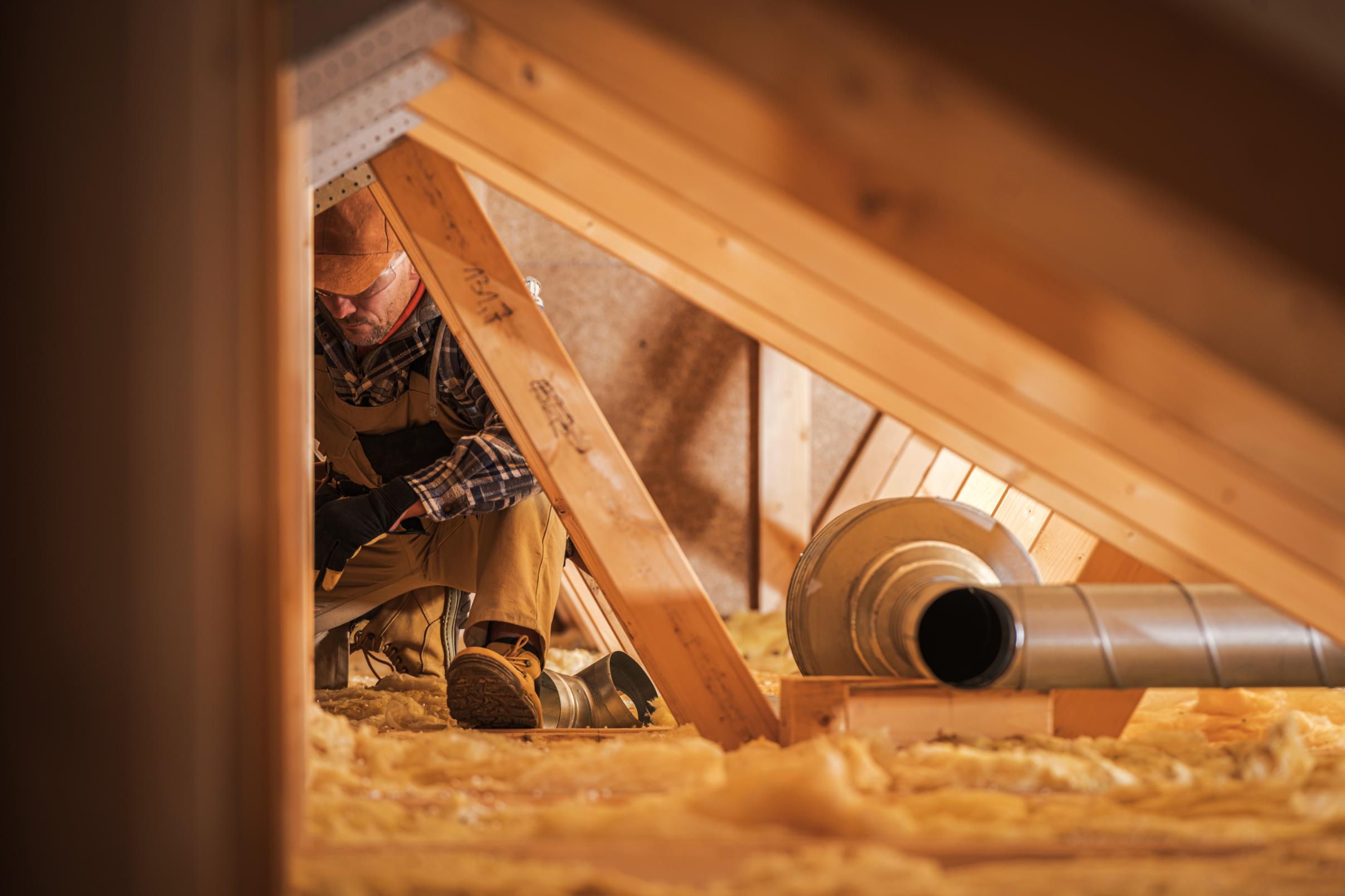
Living in Staten Island, NY means dealing with humid summers, chilly winters, and frequent temperature swings throughout the year. If your home never seems comfortable or your energy bills keep climbing, the problem may not be your heating and cooling equipment. Poor attic insulation often forces HVAC systems to work much harder than necessary, reducing efficiency and shortening equipment lifespan.
Quick Answer
Poor attic insulation allows heated and cooled air to escape through the roof while outdoor temperatures seep into your home. This causes your HVAC system to run longer, increases energy costs, creates uneven temperatures, and adds unnecessary wear to major heating and cooling components. Improving attic insulation helps maintain indoor comfort while reducing strain on your HVAC equipment.
What Local Readers Should Know
-
Homes throughout Staten Island often experience higher heating and cooling demands because of seasonal weather extremes.
-
Older neighborhoods such as St. George, Great Kills, and New Dorp frequently contain homes with outdated or insufficient attic insulation.
-
Humid summer conditions along the New York Harbor can make cooling systems work harder when attic heat builds up.
-
Proper attic insulation helps improve comfort, reduce energy consumption, and extend HVAC equipment life.
-
Small insulation problems can gradually increase operating costs without obvious warning signs.
Why This Matters Locally
Poor attic insulation affects homes everywhere, but it is especially important for homeowners across Richmond County. Winter temperatures regularly require reliable heating, while hot and humid summers create significant cooling demands. Many homes throughout Tottenville, West Brighton, Port Richmond, and nearby communities were built decades ago, often before today’s insulation standards existed.
Because heat naturally rises, an underinsulated attic becomes one of the biggest sources of energy loss. During summer, roof surfaces absorb intense sunlight, dramatically increasing attic temperatures. In winter, valuable heated air escapes upward, forcing furnaces and heat pumps to cycle more frequently.
At AFCO Heating & Air Conditioning, we often help homeowners identify comfort problems that are not caused by HVAC equipment alone. In many cases, improving attic insulation allows heating and cooling systems to perform as designed while lowering monthly operating costs.
Local Data or Field Observations
According to the U.S. Department of Energy, attics are among the most common areas where homes lose conditioned air. Proper insulation and air sealing can significantly improve overall energy efficiency and reduce unnecessary HVAC runtime.
From our field observations throughout the Staten Island area, homeowners often assume an aging air conditioner or furnace is responsible for uneven temperatures. However, attic insulation deficiencies frequently contribute to those comfort issues, especially in older homes.
Local Impact
Poor attic insulation affects more than energy bills.
Longer HVAC cycles place additional strain on compressors, blower motors, heat exchangers, and other major components. Over time, this can increase repair frequency and reduce the expected service life of the system.
Residents across neighborhoods near the Verrazzano-Narrows Bridge, the North Shore, and the South Shore often experience seasonal comfort differences between upper and lower floors because attic heat transfer directly affects upstairs living spaces.
Warning Signs
You may have poor attic insulation if you notice:
-
Upstairs rooms remain warmer during summer.
-
Certain rooms stay colder during winter.
-
Your HVAC system runs almost continuously.
-
Monthly utility bills continue increasing without obvious explanation.
-
Indoor temperatures fluctuate throughout the day.
-
Ice dams develop along roof edges during winter.
-
The attic feels extremely hot during warm weather.
-
The HVAC system requires frequent repairs despite regular maintenance.
When to Call a Professional
Poor attic insulation often becomes apparent through comfort issues, but confirming the cause usually requires a professional inspection.
Homeowners can safely:
-
Check for visible insulation gaps.
-
Look for compressed or displaced insulation.
-
Monitor unusually high energy bills.
-
Pay attention to inconsistent room temperatures.
Professional evaluation becomes worthwhile if your HVAC equipment runs excessively, comfort problems continue despite maintenance, or insulation appears damaged or insufficient. A comprehensive inspection can determine whether insulation, air leaks, ductwork, or HVAC performance is contributing to the issue.
Common Local Causes
Several factors commonly contribute to attic insulation problems throughout Staten Island.
Aging Homes
Many local homes were built before current insulation recommendations became common, leaving attic spaces underinsulated.
Moisture Problems
Roof leaks and humidity can compress insulation, reducing its effectiveness over time.
Air Leaks
Openings around recessed lighting, plumbing penetrations, and attic access doors allow conditioned air to escape into the attic.
Settled Insulation
Loose-fill insulation naturally settles over the years, reducing overall coverage and thermal resistance.
Renovations
Previous remodeling projects sometimes disturb insulation without restoring proper coverage afterward.
Prevention and Maintenance
Preventing insulation problems starts with regular attic inspections.
Homeowners should:
-
Inspect the attic annually.
-
Look for moisture or roof leaks.
-
Keep attic ventilation unobstructed.
-
Replace damaged insulation promptly.
-
Schedule HVAC maintenance before summer and winter.
DIY inspections are appropriate for identifying obvious concerns, but adding insulation, locating hidden air leaks, and evaluating attic ventilation often require professional assessment.
Expected Results
Improving attic insulation can provide several noticeable benefits.
Homeowners often experience:
-
More consistent indoor temperatures.
-
Reduced HVAC runtime.
-
Lower heating and cooling costs.
-
Improved comfort upstairs.
-
Less stress on heating and cooling equipment.
-
Potentially longer HVAC system lifespan.
Actual improvements depend on the home’s age, insulation condition, air sealing, and overall HVAC performance.
Common Mistakes
Mistake: Replacing the HVAC system before checking insulation.
Consequence: The new equipment may still struggle with energy loss.
Better Approach: Evaluate attic insulation and air sealing before investing in new HVAC equipment.
Mistake: Assuming high energy bills always indicate equipment failure.
Consequence: Underlying insulation problems remain unresolved.
Better Approach: Consider the home’s overall energy performance.
Mistake: Ignoring uneven room temperatures.
Consequence: HVAC equipment continues operating inefficiently.
Better Approach: Investigate attic insulation and airflow issues early.
Common Local Scenario
A homeowner in an older Staten Island neighborhood notices that second-floor bedrooms remain uncomfortable every summer despite replacing the thermostat and servicing the air conditioner. An attic inspection reveals insufficient insulation and multiple air leaks around attic penetrations. After improving insulation and sealing leaks, indoor temperatures become more consistent, and the HVAC system no longer runs continuously during hot afternoons.
Related Service Solutions
Several services may help improve HVAC performance when attic insulation is contributing to comfort problems.
These include:
-
HVAC system inspections.
-
Heating and cooling maintenance.
-
Airflow evaluations.
-
Energy efficiency assessments.
-
Indoor comfort evaluations.
-
HVAC replacement planning when equipment has reached the end of its service life.
Comparing Your Options
| Option | Advantages | Considerations |
|---|---|---|
| DIY attic inspection | Identifies obvious issues | Limited to visible conditions |
| Professional insulation evaluation | Comprehensive assessment | Provides expert recommendations |
| HVAC repair only | Addresses equipment issues | May not solve insulation-related problems |
| Combined insulation and HVAC improvements | Improves overall efficiency | Often delivers the best long-term comfort |
Service Areas
We proudly serve homeowners throughout Staten Island, including neighborhoods such as New Dorp, Great Kills, Tottenville, Port Richmond, West Brighton, and surrounding communities across Richmond County.
Cost of Ignoring the Issue
Ignoring poor attic insulation can gradually increase operating costs while placing additional stress on your HVAC equipment. Over time, longer run cycles may contribute to higher utility bills, reduced comfort, and more frequent heating and cooling repairs.
Frequently Asked Questions
Does poor attic insulation really affect HVAC performance in Staten Island?
Yes. Poor attic insulation allows conditioned air to escape while outdoor temperatures enter your home, forcing HVAC equipment to operate longer to maintain comfortable indoor temperatures.
Why are upstairs rooms hotter during Staten Island summers?
Upstairs rooms often become hotter because heat accumulates in poorly insulated attics. Without adequate insulation, that heat transfers into living spaces below.
Can better attic insulation lower my energy bills?
Yes. Better attic insulation helps reduce heat transfer, allowing your HVAC system to operate more efficiently and consume less energy under normal conditions.
How can I tell if my Staten Island home needs more attic insulation?
Uneven temperatures, continuously running HVAC equipment, rising utility bills, and unusually hot attic spaces are all common indicators that additional insulation may be beneficial.
Should I replace my HVAC system if my home never feels comfortable?
Not necessarily. Comfort issues sometimes result from insulation deficiencies rather than equipment failure. A professional evaluation can determine the underlying cause.
Is attic insulation important during New York winters?
Yes. Proper insulation helps keep heated air inside your home, reducing heat loss through the roof and improving overall comfort during cold weather.
Closing
A well-functioning HVAC system depends on more than quality equipment. Attic insulation plays a major role in maintaining comfort, improving efficiency, and reducing unnecessary wear throughout every season in Staten Island. Identifying insulation problems early can help protect both your home’s comfort and your heating and cooling investment.
Protect Your Comfort Year-Round
Your HVAC system performs best when your home is properly insulated. Let us help you identify the source of comfort problems and recommend practical solutions that fit your home.