

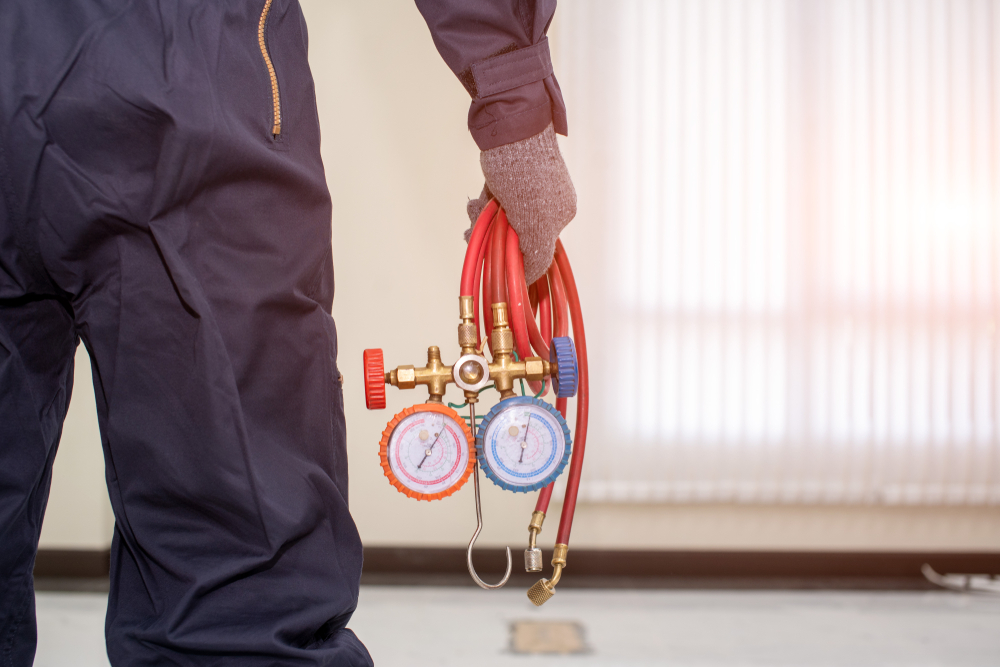
When temperatures drop across Staten Island, NY, homeowners rely on their heating systems to keep their families comfortable. However, a poorly maintained furnace or other fuel-burning heating equipment can create a hidden safety concern: carbon monoxide (CO). Understanding how routine HVAC maintenance helps reduce carbon monoxide risks can make a meaningful difference in protecting your household throughout the heating season.
Quick answer: Regular HVAC maintenance helps prevent carbon monoxide risks by identifying potential problems with fuel-burning heating equipment, including damaged heat exchangers, blocked exhaust vents, improper combustion, and ventilation issues. Professional inspections help technicians detect unsafe operating conditions before they become more serious. For Staten Island homeowners, scheduling heating maintenance before winter, maintaining working carbon monoxide detectors, and addressing unusual furnace behavior are essential steps toward safer home heating.
What Staten Island Homeowners Should Know About Carbon Monoxide Safety
-
Carbon monoxide is an odorless, colorless gas produced when fuels such as natural gas, oil, propane, or wood burn incompletely.
-
Homes in Staten Island neighborhoods such as Tottenville and Great Kills may have different heating equipment configurations depending on their age, construction, and renovations.
-
Cold winter weather increases reliance on furnaces and boilers, making fall heating inspections particularly valuable.
-
Carbon monoxide detectors provide an essential warning system, but they cannot replace professional equipment maintenance.
-
Electric-only heating equipment does not produce carbon monoxide through combustion, although other fuel-burning appliances in the home may still create exposure risks.
For homeowners throughout Richmond County, carbon monoxide safety deserves attention before heating equipment begins running regularly. Older homes in communities such as New Dorp and West Brighton may have aging venting systems or heating equipment that requires closer evaluation.
At AFCO Heating & Air Conditioning, we understand the importance of keeping home heating systems operating safely and reliably. Our approach to heating maintenance focuses on identifying equipment concerns, supporting proper operation, and helping homeowners understand when repairs or additional inspections may be necessary.
How Does HVAC Maintenance Help Identify Carbon Monoxide Hazards?
HVAC maintenance helps identify carbon monoxide hazards by allowing trained technicians to inspect fuel-burning heating equipment, evaluate combustion conditions, examine exhaust pathways, and look for signs of deterioration. In Staten Island homes, these checks can reveal potential safety concerns that might otherwise remain unnoticed during everyday furnace operation.
A professional heating maintenance visit may include checking several important components:
-
Heat exchangers: Technicians look for visible damage, corrosion, or other conditions that could allow combustion gases to enter circulating indoor air.
-
Flue pipes and vent connections: Properly functioning exhaust systems help direct combustion gases outdoors.
-
Burners and combustion components: Incorrect fuel combustion can increase carbon monoxide production.
-
Airflow and ventilation: Adequate combustion air supports safer operation of applicable heating equipment.
-
Safety controls: Testing appropriate controls helps determine whether the system responds correctly to certain unsafe operating conditions.
Some defects, particularly concealed heat exchanger damage, may require specialized testing or further evaluation. A routine inspection cannot guarantee that every future carbon monoxide hazard will be prevented.
Why Are Carbon Monoxide Risks Important for Staten Island Homes?
Carbon monoxide risks are especially important for Staten Island homes because cold winters increase heating demand, while differences in building age, heating equipment, and ventilation can affect how combustion gases are exhausted. Homes with older furnaces, boilers, or modified venting arrangements may need particular attention before the heating season.
Properties in St. George, Port Richmond, and other established neighborhoods can have heating configurations that differ considerably from newer construction.
A furnace that has operated for years without obvious trouble may still develop problems involving corrosion, vent restrictions, or worn components.
During colder weather, homeowners also tend to keep windows closed, making properly functioning combustion ventilation and exhaust systems particularly important.
The New York City Fire Department and Centers for Disease Control and Prevention both emphasize carbon monoxide detection and the safe operation of fuel-burning appliances as important household safety measures.
For local residents, preventive heating maintenance is one practical part of reducing these risks.
What Are the Warning Signs of a Potential Carbon Monoxide Problem?
Warning signs of a potential carbon monoxide problem include unusual furnace behavior, visible venting damage, soot accumulation, and symptoms that develop while heating equipment is operating. However, carbon monoxide itself cannot be seen or smelled, and dangerous exposure can occur without any obvious equipment warning signs.
Staten Island homeowners should watch for the following:
-
A carbon monoxide alarm sounds. Treat every CO alarm activation as a potential emergency, even if no one feels sick.
-
Yellow or irregular burner flames. On equipment designed to have a steady blue flame, unusual flame behavior may indicate a combustion concern.
-
Soot or discoloration near heating equipment. Dark residue around burners, vents, or appliances may signal improper combustion or exhaust problems.
-
Rust or visible deterioration around flue connections. Corrosion may indicate moisture or venting issues requiring evaluation.
-
Unusual furnace shutdowns. Repeated cycling or safety-related shutdowns can indicate equipment problems.
-
Headaches, dizziness, or nausea indoors. Symptoms that improve after leaving the building may suggest a possible environmental exposure.
-
Multiple household members experiencing similar symptoms. Simultaneous illness, particularly during heating operation, warrants urgent attention.
Safety reminder: If a carbon monoxide alarm sounds or you suspect exposure, leave the building immediately, move everyone to fresh air, and call 911 from outside. Do not reenter until emergency responders determine it is safe. Seek emergency medical evaluation for possible exposure, even if symptoms improve.
When Should You Call an HVAC Professional About Carbon Monoxide Concerns?
You should call an HVAC professional when your heating equipment shows signs of combustion problems, venting damage, unusual shutdowns, or overdue maintenance. Staten Island homeowners should also arrange professional evaluation before restarting equipment that emergency responders or a qualified technician have identified as potentially unsafe.
There is an important difference between routine maintenance and an emergency.
If your furnace appears to operate normally but has not received a seasonal inspection, scheduling maintenance is a reasonable preventive step.
If you notice corrosion, soot, or abnormal burner operation, stop using the affected equipment and request professional evaluation.
If a CO detector activates or occupants develop symptoms consistent with exposure, evacuate and contact emergency services rather than waiting for a routine HVAC appointment.
Never attempt to repair a heat exchanger, adjust gas combustion settings, or modify exhaust piping without appropriate professional training.
What Common Heating Problems Can Increase Carbon Monoxide Risks?
Common heating problems that can increase carbon monoxide risks include damaged heat exchangers, obstructed exhaust systems, incorrect burner operation, and inadequate combustion air. In Richmond County homes, equipment age, weather exposure, and past alterations to heating systems can contribute to these conditions.
Damaged or Deteriorating Heat Exchangers
A heat exchanger separates furnace combustion gases from the air circulated through the home. Cracks, corrosion, or other failures may create pathways for combustion gases to enter indoor air under certain operating conditions.
Blocked or Damaged Exhaust Vents
Bird nests, debris, deteriorating vent materials, and improperly installed connections can interfere with exhaust flow.
Staten Island’s coastal environment may also contribute to corrosion of exposed metal components over time.
Improper Combustion
Dirty burners, incorrect fuel-air mixtures, and malfunctioning combustion components can increase carbon monoxide production.
Inadequate Combustion Air
Certain fuel-burning appliances require a reliable supply of combustion air. Building alterations, obstructed openings, or competing exhaust appliances may affect safe operation.
A qualified technician can assess these issues according to the equipment’s design and installation requirements.
How Can Seasonal HVAC Maintenance Reduce Carbon Monoxide Risks?
Seasonal HVAC maintenance reduces carbon monoxide risks by checking heating equipment before prolonged winter operation and addressing developing problems that could affect combustion or venting. For Staten Island households, early fall is a practical time to schedule a furnace or boiler inspection before colder weather places greater demands on the system.
Homeowners can support safer heating with a few preventive habits:
-
Schedule professional maintenance for fuel-burning heating equipment at least annually, or according to manufacturer recommendations.
-
Test carbon monoxide alarms regularly and replace batteries or alarm units according to their instructions.
-
Keep accessible exterior exhaust outlets clear of leaves, snow, and debris without dismantling vent components.
-
Maintain recommended clearance around furnaces, boilers, and water heaters.
-
Replace HVAC air filters according to equipment requirements.
-
Never operate outdoor grills, generators, or fuel-burning equipment intended for outdoor use inside the home or an attached garage.
For New York City residences, follow applicable carbon monoxide alarm placement requirements and manufacturer instructions. Alarms are generally required near sleeping areas, with additional requirements depending on the building.
Professional maintenance and working alarms serve different purposes. Maintenance helps reduce equipment-related hazards, while detectors provide an important warning if carbon monoxide enters occupied spaces.
What Results Can Homeowners Expect From Professional Heating Maintenance?
Professional heating maintenance can help homeowners identify developing safety issues, improve heating reliability, and understand the condition of their equipment. In Staten Island, an inspection before winter may reveal venting problems, worn components, or combustion concerns that should be corrected before continued operation.
Depending on the system, maintenance may also support more consistent heating performance and efficient operation.
However, no maintenance appointment can make a fuel-burning appliance completely risk-free. Some failures develop unexpectedly, and carbon monoxide may originate from sources outside the HVAC system.
A comprehensive safety approach combines regular maintenance, appropriate repairs, working CO alarms, and prompt emergency action when needed.
What Mistakes Should Homeowners Avoid When Preventing Carbon Monoxide Exposure?
Homeowners should avoid relying on furnace performance alone, ignoring detector warnings, and attempting combustion-related repairs without professional training. These mistakes can delay the discovery of dangerous conditions, especially during Staten Island’s winter heating season.
Mistake: Assuming a working furnace is automatically safe.
Consequence: Hidden combustion or venting problems may go unnoticed.
Better approach: Schedule regular professional heating inspections even when the equipment appears to operate normally.
Mistake: Treating carbon monoxide detectors as a substitute for maintenance.
Consequence: Equipment problems may continue until an alarm activates.
Better approach: Maintain both the heating system and the household’s CO alarms.
Mistake: Ignoring minor vent deterioration.
Consequence: Damaged exhaust connections may eventually affect combustion gas removal.
Better approach: Have suspicious venting conditions evaluated promptly.
Mistake: Restarting equipment after a CO alarm without identifying the cause.
Consequence: A dangerous condition may remain unresolved.
Better approach: Wait for emergency clearance and qualified evaluation before using the affected equipment.
Common Local Scenario: An Older Staten Island Furnace Before Winter
A common local scenario involves a homeowner in Eltingville preparing to use an older gas furnace after several months of inactivity. The furnace starts normally, but the homeowner notices corrosion near part of the exhaust piping.
Rather than continuing to operate the system and hoping the condition is harmless, the homeowner shuts it down and arranges a professional inspection.
A technician can evaluate the venting, check applicable combustion components, and determine whether repairs are necessary.
This hypothetical example illustrates why visible warning signs deserve attention even when a furnace still produces heat.
Which HVAC Services Help Address Carbon Monoxide Safety Concerns?
HVAC services that help address carbon monoxide safety concerns include heating inspections, furnace maintenance, combustion evaluation, venting repairs, and equipment replacement when necessary. Staten Island homeowners benefit from selecting the service that matches their equipment’s condition rather than assuming every issue requires a new heating system.
At AFCO Heating & Air Conditioning, we encourage homeowners to address heating concerns before they develop into more serious safety or reliability problems.
Relevant services may include preventive heating maintenance, diagnostic evaluations, furnace repairs, and discussions about replacing aging equipment when appropriate.
A qualified technician should determine which procedures and repairs are needed for the specific system.
Is Professional HVAC Maintenance Better Than DIY Heating Checks?
Professional HVAC maintenance is necessary for evaluating combustion-related safety conditions, while DIY checks are useful for basic monitoring and routine homeowner care. Staten Island residents can inspect accessible areas and test detectors, but specialized tools and training are needed to evaluate many potential carbon monoxide hazards.
| Homeowner checks | Professional HVAC service |
|---|---|
| Test carbon monoxide alarms | Evaluate applicable combustion conditions |
| Replace accessible air filters | Inspect heat exchangers using appropriate methods |
| Look for visible exterior vent obstructions | Assess venting and exhaust performance |
| Observe unusual equipment behavior | Diagnose burner and safety control problems |
| Schedule seasonal service | Recommend and perform appropriate repairs |
DIY monitoring supports safety awareness, but it does not replace qualified technical inspection.
Which Staten Island Neighborhoods Should Prioritize Heating Maintenance?
Homeowners throughout Staten Island should prioritize heating maintenance when their properties use fuel-burning furnaces or boilers, especially if equipment is aging or has not been inspected recently. The need for preventive service is based more on equipment condition and installation than on neighborhood alone.
Residents in Annadale, Huguenot, and nearby South Shore communities, along with households across the North Shore and Mid-Island, can benefit from planning inspections before winter.
What Can Happen If You Delay Heating Maintenance?
Delaying heating maintenance can allow combustion problems, vent deterioration, and worn safety-related components to remain undetected. In Staten Island homes, these issues may contribute to heating interruptions, more extensive repairs, or increased carbon monoxide exposure risks when fuel-burning equipment operates during cold weather.
A minor concern does not always become an emergency, but waiting can reduce the opportunity to correct problems under planned service conditions.
Preventive inspections also give homeowners time to consider repair or replacement options before a winter breakdown.
Frequently Asked Questions About HVAC Maintenance and Carbon Monoxide
Can HVAC maintenance completely prevent carbon monoxide leaks?
No, HVAC maintenance cannot completely prevent carbon monoxide leaks, but it can reduce risks associated with poorly maintained fuel-burning heating equipment. Professional inspections may identify damaged components, combustion problems, and venting concerns. Staten Island homeowners should also maintain carbon monoxide detectors because unexpected failures and non-HVAC sources can still create dangerous conditions.
How often should Staten Island homeowners schedule furnace maintenance?
Staten Island homeowners should generally schedule furnace maintenance once a year, preferably before the heating season, unless the manufacturer recommends a different interval. Annual inspections provide an opportunity to assess equipment condition, check applicable safety components, and identify problems before the furnace operates frequently during colder months.
Can an electric HVAC system produce carbon monoxide?
An electric-only HVAC system does not produce carbon monoxide through fuel combustion. However, homes with electric heating can still experience carbon monoxide exposure from gas water heaters, fireplaces, attached garages, or other fuel-burning sources. Homeowners in Richmond County should maintain appropriate CO alarms regardless of their primary heating system.
What should I do if my carbon monoxide detector goes off in Staten Island?
Leave your home immediately, move everyone to fresh air, and call 911 from outside. Do not search for the source, silence the alarm and remain indoors, or reenter until emergency responders confirm it is safe. Anyone with possible exposure should receive prompt medical evaluation.
Are older Staten Island homes more likely to have carbon monoxide problems?
Older Staten Island homes may have aging heating equipment or venting systems that warrant closer inspection, but building age alone does not determine carbon monoxide risk. Proper installation, equipment condition, ventilation, and maintenance are more useful safety considerations. Both older and newer properties require working CO detectors and appropriate heating inspections.
Can a cracked heat exchanger cause carbon monoxide to enter my home?
Yes, a damaged heat exchanger can create a pathway for combustion gases to enter circulating indoor air under certain operating conditions. The actual risk depends on the damage and system design. Suspected heat exchanger defects require qualified evaluation, and equipment identified as unsafe should remain off until the problem is resolved.
Does changing my furnace filter help prevent carbon monoxide?
Changing a furnace filter supports proper airflow and can help prevent certain heating performance problems, but it does not directly verify safe combustion or exhaust operation. Staten Island homeowners should replace filters as recommended while relying on professional maintenance for combustion, heat exchanger, and venting evaluations.
When is the best time to inspect heating equipment in Richmond County?
Early fall is a practical time to inspect heating equipment in Richmond County because it allows homeowners to address maintenance concerns before winter heating demand increases. However, a suspected carbon monoxide hazard requires immediate attention regardless of the season. Never delay an urgent safety evaluation to wait for a routine appointment.
Protect Your Staten Island Home With Preventive Heating Maintenance
Carbon monoxide safety begins with awareness, properly maintained fuel-burning equipment, and dependable warning devices. Regular HVAC maintenance can help identify potential hazards before they become more serious, while working carbon monoxide alarms provide an essential additional layer of protection.
At AFCO Heating & Air Conditioning, we want local homeowners to feel informed and prepared when caring for their heating systems.
Keep Your Staten Island Home Safer This Heating Season
Take a proactive approach to heating safety with professional maintenance and timely attention to equipment concerns.