

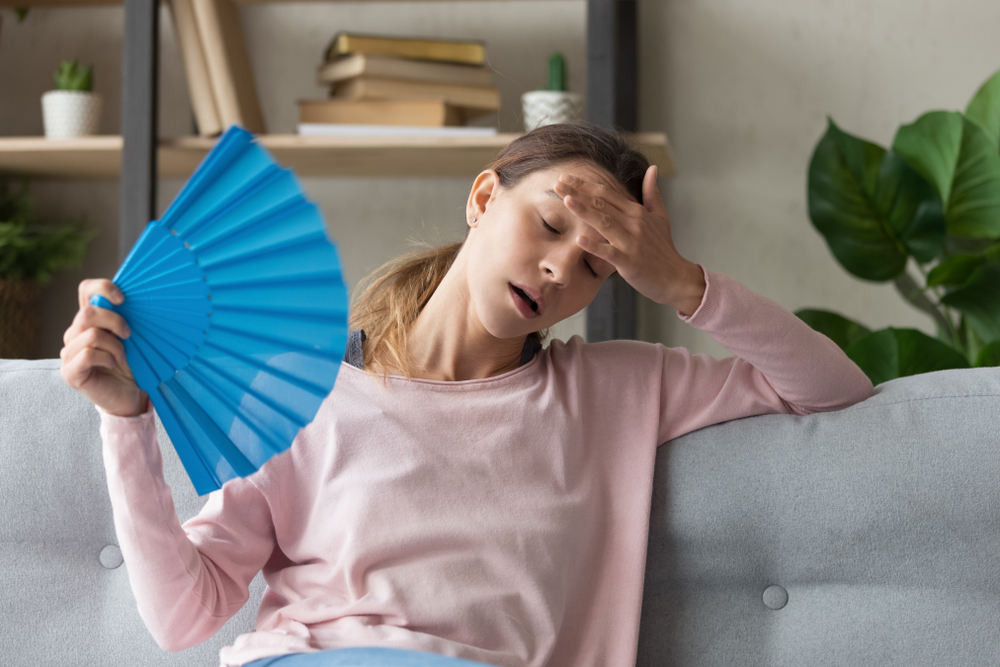
Summer heat waves can push home cooling systems to their limits, especially in coastal communities where heat, humidity, and prolonged high temperatures combine to create challenging conditions. For homeowners in Staten Island, taking a few preventative steps before and during extreme heat can help keep indoor spaces comfortable while reducing unnecessary strain on an HVAC system.
Quick Answer
Staten Island homeowners can reduce HVAC strain during summer heat waves by changing air filters regularly, keeping outdoor condenser units clear, sealing air leaks, using programmable thermostats wisely, closing blinds during peak sunlight, scheduling professional HVAC maintenance, and avoiding sudden temperature changes. These simple habits help improve efficiency, lower energy use, and reduce the risk of unexpected breakdowns during the hottest days of the year.
What Local Readers Should Know
-
Staten Island’s combination of summer heat and coastal humidity forces air conditioners to work harder than in drier climates.
-
Older homes in neighborhoods such as St. George, Great Kills, and Tottenville may have insulation or air leakage issues that increase cooling demand.
-
Con Edison electricity usage often rises during prolonged heat waves, making HVAC efficiency especially important.
-
Routine maintenance before peak summer temperatures can help identify minor issues before they become major repairs.
-
Smart thermostat settings and proper airflow can improve comfort without overworking your cooling system.
Why This Matters Locally
Reducing HVAC strain is especially important in Staten Island because summer weather often brings both high temperatures and elevated humidity. Homes near the Lower New York Bay, Arthur Kill, and surrounding waterfront areas may experience additional moisture that makes cooling more difficult.
Many homes throughout Richmond County were built decades ago and may have aging ductwork, insulation gaps, or older air conditioning equipment that must work harder during extended heat waves. Even newer homes can experience increased wear if systems operate continuously for days at a time.
AFCO Heating & Air Conditioning understands these local challenges. We help homeowners prepare their cooling systems for demanding summer conditions so they can stay comfortable while reducing unnecessary stress on their equipment.
Local Data and Field Observations
According to the National Weather Service, New York City and surrounding boroughs regularly experience periods of high heat and humidity during the summer months, with heat advisories issued when conditions become dangerous. These extended periods of elevated temperatures often cause residential cooling systems to operate for much longer than average.
From our field observations, service demand typically increases during prolonged heat waves because small maintenance issues become much more noticeable when systems run nearly nonstop.
Local Impact
Extended HVAC operation affects more than indoor comfort.
During periods of extreme heat, homeowners may notice:
-
Higher monthly electric bills.
-
Longer cooling cycles.
-
Uneven temperatures between rooms.
-
Increased indoor humidity.
-
Greater wear on compressors, blower motors, and electrical components.
-
A higher likelihood of emergency service calls.
Reducing strain helps improve efficiency while extending the life of expensive HVAC equipment.
Warning Signs Your HVAC Is Working Too Hard
An HVAC system under excessive strain often provides warning signs before a complete breakdown.
Watch for:
-
The system runs continuously without reaching the thermostat setting.
-
Warm air blows from supply vents.
-
Airflow feels weaker than usual.
-
Indoor humidity remains high.
-
The outdoor unit makes unusual noises.
-
Ice forms on refrigerant lines.
-
Monthly cooling costs increase unexpectedly.
-
Certain rooms remain warmer than others.
When to Call a Professional
Some maintenance tasks are safe for homeowners, but others require professional service.
Homeowners can:
-
Replace disposable air filters.
-
Remove debris around the outdoor condenser.
-
Keep supply and return vents unobstructed.
-
Monitor thermostat performance.
Professional service is recommended when:
-
Cooling performance suddenly declines.
-
The system short cycles.
-
Ice develops on the equipment.
-
Refrigerant issues are suspected.
-
Electrical components appear damaged.
-
The unit struggles throughout multiple heat waves.
Addressing these problems early often prevents larger repairs later in the season.
Common Local Causes of HVAC Strain
1. High Humidity
Coastal humidity across Staten Island increases the workload because air conditioners remove both heat and moisture.
2. Dirty Air Filters
Restricted airflow forces the blower motor to work harder while reducing overall cooling performance.
3. Blocked Outdoor Units
Leaves, grass clippings, and landscaping around condenser units reduce heat transfer and make systems less efficient.
4. Air Leaks
Older homes throughout neighborhoods like New Dorp and West Brighton may lose cooled air through gaps around windows, doors, or attic spaces.
5. Aging Equipment
Older HVAC systems naturally become less efficient and may struggle during prolonged periods of extreme heat.
Prevention and Maintenance
Reducing HVAC strain starts with consistent maintenance.
Helpful steps include:
-
Replace filters every one to three months depending on household conditions.
-
Schedule annual cooling maintenance before summer begins.
-
Trim vegetation around the outdoor condenser.
-
Seal obvious air leaks around windows and doors.
-
Keep interior vents open and unobstructed.
-
Use ceiling fans to improve air circulation.
-
Set the thermostat to a consistent temperature instead of making large adjustments throughout the day.
-
Close blinds and curtains during peak afternoon sunlight.
Professional maintenance can also identify worn electrical components, dirty coils, refrigerant concerns, and airflow restrictions before they become larger problems.
Expected Results
Proper maintenance cannot eliminate every repair, but homeowners can generally expect:
-
Improved cooling performance.
-
More consistent indoor temperatures.
-
Better energy efficiency.
-
Reduced equipment wear.
-
Lower likelihood of emergency breakdowns during heat waves.
-
Improved indoor comfort throughout the summer season.
Common Mistakes
Mistake: Lowering the thermostat dramatically after arriving home.
Consequence: The HVAC system runs longer without cooling the home any faster.
Better Approach: Set a consistent temperature or use a programmable thermostat.
Mistake: Forgetting to replace air filters.
Consequence: Restricted airflow increases system strain.
Better Approach: Check filters monthly during heavy summer use.
Mistake: Blocking supply vents.
Consequence: Reduced airflow increases pressure throughout the system.
Better Approach: Keep all vents open unless advised otherwise by an HVAC professional.
Mistake: Ignoring small performance changes.
Consequence: Minor issues may become expensive repairs during peak demand.
Better Approach: Schedule service when cooling performance first changes.
Common Local Scenario
A Staten Island homeowner notices their air conditioner running nearly all afternoon during a July heat wave. Some upstairs rooms remain warm while energy bills continue climbing.
After replacing a clogged filter and scheduling professional maintenance, technicians discover restricted airflow and a dirty outdoor coil. Once cleaned and serviced, the system cools more efficiently with shorter operating cycles and improved comfort throughout the home.
Related Service Solutions
Several HVAC services help reduce cooling strain during summer.
These include:
-
Air conditioning maintenance.
-
Seasonal tune-ups.
-
Air filter replacement.
-
Airflow inspections.
-
Thermostat upgrades.
-
HVAC repairs.
-
System replacement evaluations for aging equipment.
Comparing Your Options
| Option | Benefits | Limitations |
|---|---|---|
| DIY Maintenance | Simple, affordable, prevents common issues | Limited to basic homeowner tasks |
| Professional Tune-Up | Comprehensive inspection and system optimization | Requires scheduled service |
| HVAC Repair | Resolves specific problems affecting performance | May not address aging equipment |
| System Replacement | Improved efficiency and long-term reliability | Larger upfront investment |
Service Areas
We proudly help homeowners throughout Staten Island, including Tottenville, Great Kills, New Dorp, St. George, West Brighton, Eltingville, and surrounding Richmond County communities. We also serve nearby areas throughout New York City where reliable cooling is essential during the hottest months of the year.
Cost of Ignoring the Issue
Ignoring signs of HVAC strain can lead to:
-
Higher utility costs.
-
Reduced indoor comfort.
-
Increased equipment wear.
-
Emergency repairs during peak summer demand.
-
Shortened system lifespan.
Addressing small issues early is often more convenient and less disruptive than waiting until cooling is lost during a heat wave.
Frequently Asked Questions
How often should homeowners in Staten Island replace HVAC filters?
Yes, most Staten Island homeowners should check filters monthly during the summer. Many disposable filters need replacement every one to three months depending on pets, allergies, and system usage.
Does coastal humidity make HVAC systems work harder?
Yes. High humidity requires your air conditioner to remove moisture in addition to cooling the air, increasing operating time during summer heat waves.
Should I lower my thermostat much colder during extremely hot days?
No. Setting the thermostat dramatically lower will not cool your home faster. Maintaining a steady temperature reduces unnecessary HVAC strain.
Why does my upstairs stay warmer during Staten Island summers?
Upper floors naturally collect heat. Combined with attic temperatures and older insulation, this can create uneven cooling that may require airflow improvements or system adjustments.
Is professional HVAC maintenance worthwhile before summer?
Yes. A professional inspection can identify airflow restrictions, dirty coils, electrical concerns, and other issues that commonly cause breakdowns during periods of heavy use.
How can I reduce cooling costs during New York heat waves?
Using ceiling fans, replacing filters, sealing air leaks, keeping blinds closed during sunny afternoons, and scheduling annual maintenance all help improve efficiency and reduce cooling costs.
How do I know if my HVAC system is too small for my home?
If your system runs almost continuously, struggles to maintain comfortable temperatures, or leaves multiple rooms consistently warm, a professional evaluation can determine whether sizing or other issues are contributing.
When should I schedule air conditioning service in Staten Island?
The best time is during the spring before peak summer demand begins. However, homeowners experiencing reduced cooling performance during the season should schedule service as soon as symptoms appear.
Stay Comfortable During Staten Island’s Hottest Days
A well-maintained HVAC system is better prepared to handle summer heat waves while providing reliable comfort and efficient performance.
Ready to Reduce HVAC Strain?
Let us help keep your cooling system operating efficiently all summer long.