

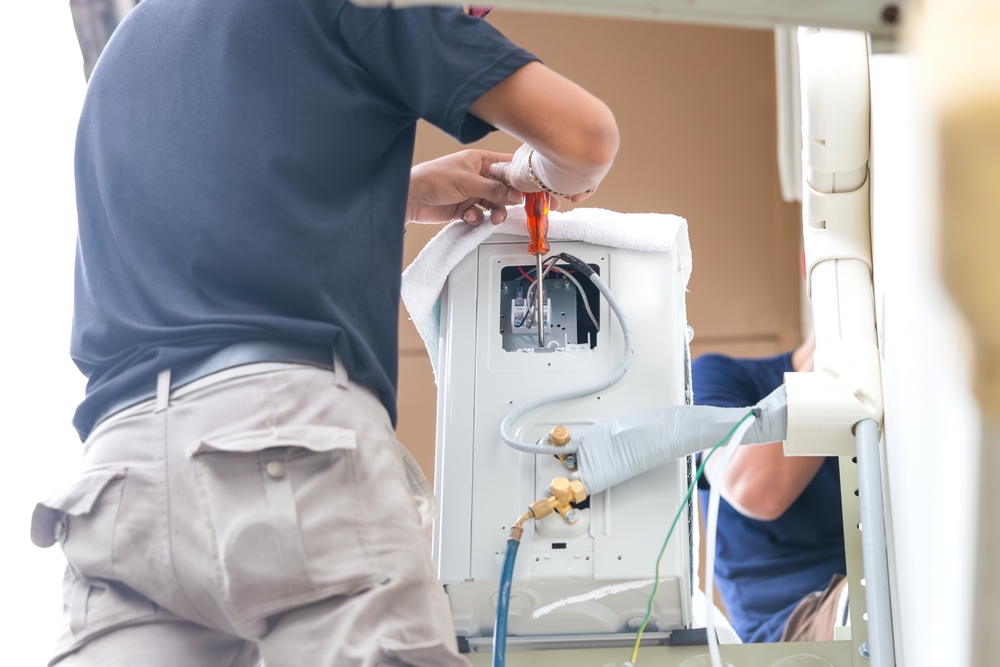
Power outages can leave Staten Island homeowners without heating or cooling at exactly the wrong time. Strong thunderstorms, coastal weather, high winds, and winter storms can interrupt electrical service, while the power returning can create another concern for sensitive HVAC equipment.
Preparing your heating and cooling system before an outage, and knowing what to do when electricity returns, can help protect equipment and make restoring indoor comfort easier.
Quick answer: Staten Island homeowners can prepare their HVAC system for a power outage by keeping the system maintained, knowing how to shut it down safely, checking thermostats and electrical protection, and never connecting HVAC equipment to an undersized portable generator. After an outage, homeowners should allow electrical service to stabilize before restarting the system and watch for unusual sounds, odors, breaker trips, or failure to operate.
What local homeowners should know
-
Know which electrical breaker controls your HVAC equipment before severe weather reaches the area.
-
Staten Island’s exposure to coastal storms, thunderstorms, high winds, and winter weather makes outage preparation useful throughout the year.
-
Central air conditioners, heat pumps, furnaces, boilers, thermostats, and related controls may all depend on electricity.
-
Never improvise a generator connection to an HVAC system or home electrical panel.
-
If your equipment behaves abnormally after power is restored, shut it down and have the system inspected.
Why Does Power Outage Preparation Matter for Staten Island HVAC Systems?
Power outage preparation matters because HVAC equipment depends on stable electrical service, and both a sudden loss of power and problems during restoration can interrupt operation. For Staten Island households, a prolonged outage can also mean losing cooling during humid summer weather or dependable heat during a cold spell.
Homes across Tottenville, Great Kills, New Dorp, Westerleigh, and other parts of the borough can have very different heating and cooling setups. Some properties rely on central air and forced-air heat, while others may have boilers, ductless systems, heat pumps, or combinations of equipment.
AFCO Heating & Air Conditioning understands that outage preparation is not simply about getting the air conditioner running again. We encourage homeowners to think about the complete HVAC system, including controls, electrical components, thermostats, and safe restart procedures.
What Do Local Conditions Mean for HVAC Outage Planning?
Staten Island’s coastal location means homeowners should prepare HVAC systems for outages associated with several types of disruptive weather rather than focusing on a single season. Summer thunderstorms and high cooling demand can be concerns during warm weather, while strong coastal storms, wind, and winter conditions can create outage risks at other times.
Con Edison provides electric service in Staten Island, making utility outage information an important resource when electrical service is interrupted. Homeowners should distinguish between a utility outage affecting the neighborhood and an electrical or HVAC problem limited to their property.
Local building conditions matter, too. A detached home near the South Shore may have different equipment and outage concerns from an older property closer to St. George or Port Richmond. Knowing what equipment you have and how it receives power makes an outage plan much more useful.
How Can a Power Outage Affect Your HVAC System?
A power outage can stop HVAC operation immediately and may leave thermostats, controls, compressors, blowers, pumps, and other electrically powered components unable to function until service returns. The consequences depend on the equipment installed, the duration of the outage, outdoor conditions, and whether any electrical problems occur when power is restored.
Loss of air conditioning can quickly make a house uncomfortable during hot, humid weather. During cold conditions, electrically dependent heating equipment may stop even if the system uses natural gas or another fuel because controls, ignition systems, circulators, or blower motors still require electricity.
After service returns, the system should resume normal operation without repeated breaker trips, burning smells, unusual noises, or other abnormal behavior.
What Warning Signs Should Homeowners Watch for After an Outage?
Warning signs after a power outage include an HVAC system that will not restart, repeated breaker trips, unusual sounds, electrical or burning odors, thermostat problems, weak airflow, or equipment that repeatedly starts and stops. These symptoms can indicate that the system needs professional attention rather than repeated attempts to restart it.
Watch for:
-
A thermostat that remains blank after household power returns.
-
An air conditioner or heating system that does not start normally.
-
A circuit breaker that trips repeatedly.
-
Buzzing, clicking, humming, or other sounds that were not present before.
-
A burning or electrical odor near HVAC equipment.
-
Outdoor equipment that attempts to start but shuts down again.
-
Heating or cooling that runs but does not restore normal indoor comfort.
Do not repeatedly reset a breaker if it continues to trip.
When Should You Call an HVAC Professional After a Power Outage?
Call an HVAC professional when power has returned but the system will not operate normally, repeatedly trips a breaker, produces an unusual odor or sound, or shows another electrical or mechanical problem. Homeowners can safely check thermostat settings and confirm whether the rest of the house has power, but internal electrical diagnosis should be left to qualified professionals.
If there is visible electrical damage, sparking, smoke, or another immediate electrical hazard, do not continue operating the equipment. Electrical hazards may require an electrician or emergency assistance rather than routine HVAC troubleshooting.
For Staten Island homeowners, arranging service promptly after an outage can be especially useful during periods of extreme heat or cold, when indoor comfort can deteriorate quickly.
What Common Outage-Related Problems Affect Local HVAC Equipment?
Common outage-related HVAC problems include interrupted thermostat operation, tripped breakers, failed restarts, and electrical component problems that become apparent once power returns. Not every failure after an outage was necessarily caused by the outage, however, since an existing weak component or maintenance problem may simply become noticeable at the same time.
Three situations are particularly worth watching:
Electrical interruption: The HVAC system loses the power it needs for controls, motors, pumps, or other components.
Restart problems: Power returns, but the equipment does not complete its normal startup sequence.
Existing equipment weakness: An aging or already malfunctioning component may struggle when normal operation resumes.
A professional diagnosis can separate an HVAC problem from a larger household electrical issue.
How Can Staten Island Homeowners Prepare Before an Outage?
Staten Island homeowners can prepare by maintaining HVAC equipment, identifying system breakers, reviewing safe shutdown procedures, keeping thermostat information accessible, and addressing known problems before severe weather arrives. Preparation is particularly valuable before summer storms, coastal weather events, and winter cold when losing heating or cooling can create significant disruption.
Schedule routine HVAC maintenance before peak heating or cooling periods. Replace or clean filters as appropriate for your equipment, keep outdoor units clear of debris, and do not postpone unusual noises or intermittent operating problems.
If you are considering backup power, consult qualified professionals about the electrical requirements of the equipment you want to operate. Central HVAC equipment can have significant starting and operating demands, so a portable generator should never be connected through an improvised setup.
What Results Can Proper HVAC Preparation Provide?
Proper preparation can make it easier to shut down, monitor, and restart HVAC equipment safely when an outage occurs, while routine maintenance can identify problems before severe weather creates additional pressure on the system. Preparation cannot prevent a utility outage, guarantee that equipment will avoid damage, or ensure continuous heating and cooling without an appropriate backup-power system.
The practical goal is readiness. Homeowners should know where essential controls are, understand what normal operation looks and sounds like, and recognize when a post-outage problem requires professional attention.
What Mistakes Should Homeowners Avoid During an HVAC Power Outage?
The biggest mistakes are repeatedly resetting breakers, improvising generator connections, immediately assuming every post-outage problem is an HVAC failure, and ignoring unusual system behavior once electricity returns. A safer approach is to make basic homeowner checks, allow electrical service to stabilize, and seek qualified help when the equipment does not resume normal operation.
Mistake: Repeatedly resetting a tripped HVAC breaker.
Consequence: A recurring trip can indicate a problem that needs diagnosis.
Better approach: Stop resetting it and arrange an inspection.
Mistake: Using extension cords or improvised wiring for major HVAC equipment.
Consequence: The setup may not be appropriate for the system’s electrical requirements.
Better approach: Have backup-power connections designed and installed by qualified professionals.
Mistake: Ignoring strange smells or sounds after an outage.
Consequence: Continued operation may worsen an existing equipment problem.
Better approach: Shut the system down and have the cause evaluated.
What Is a Common Staten Island Power Outage Scenario?
A common local scenario is a home losing power during severe weather and the homeowner discovering after service returns that the HVAC system does not immediately resume normal operation. The first step is not to repeatedly cycle controls, but to confirm that household power is stable and check basic thermostat and breaker conditions.
For example, a homeowner in Eltingville or New Dorp may find that lights and appliances are working again while the central air conditioner remains off. If thermostat settings and basic electrical checks do not reveal a simple explanation, professional HVAC diagnosis is the appropriate next step.
Which HVAC Services Can Help With Power Outage Readiness?
Preventive HVAC maintenance, system inspections, electrical-component diagnosis, and post-outage troubleshooting can help homeowners identify equipment problems before or after a loss of power. The appropriate service depends on whether the system is currently operating normally, showing warning signs, or failing to restart after electricity has been restored.
We can evaluate HVAC operating problems and help determine what type of heating or cooling service is appropriate for the equipment involved.
Should You Troubleshoot the System Yourself or Call a Professional?
Homeowners can handle basic checks such as confirming thermostat settings and observing whether a breaker has tripped, but repeated electrical problems and internal HVAC troubleshooting should be handled professionally. The dividing line is safety: if troubleshooting requires opening equipment, working with wiring, repeatedly resetting protection devices, or diagnosing electrical components, stop and call for service.
Basic observation can provide useful information for the technician. Note what happened before the outage, whether the system was running at the time, what happened when electricity returned, and any unusual sound, smell, or error indication you noticed.
What Areas Do We Serve?
We provide HVAC support for homeowners in Staten Island, with local needs varying by neighborhood, property type, and installed heating and cooling equipment. Residents in communities such as Great Kills, New Dorp, Tottenville, Port Richmond, St. George, and surrounding areas can benefit from preparing their systems before severe seasonal weather.
What Can Happen If You Ignore HVAC Problems After an Outage?
Ignoring an HVAC problem after power returns can leave the home without reliable heating or cooling and may allow an unresolved electrical or mechanical issue to continue. Waiting can be particularly inconvenient when many Staten Island households need service at the same time following a major storm or widespread outage.
A system that restarts normally and continues operating normally may need nothing beyond routine monitoring. A system that trips breakers, smells unusual, makes new noises, or repeatedly fails to operate deserves attention.
FAQ
Should I turn off my Staten Island HVAC system before a predicted outage?
Turning the HVAC system off before severe weather may be appropriate when an outage appears imminent, particularly if utility service is already becoming unstable. The safest procedure depends on the equipment and electrical setup in your home, so homeowners who are unsure how their system should be shut down should ask an HVAC professional.
How long should I wait to restart my air conditioner after power returns?
Allowing a short period for electrical service to stabilize before restarting the air conditioner is generally preferable to immediately cycling the system on and off. Some equipment and thermostats also include built-in restart delays. If the system does not start after its normal delay, avoid repeated resets and seek professional advice.
Can a generator run my Staten Island home’s HVAC system?
A generator can operate some HVAC equipment only when it is properly sized and safely connected for the required electrical load. Central heating and cooling equipment can have substantial startup requirements. Staten Island homeowners considering backup power should have the generator capacity and connection method evaluated by qualified electrical professionals rather than improvising a connection.
Why is my HVAC breaker tripping after a Staten Island power outage?
A breaker that repeatedly trips after an outage can indicate an electrical or equipment problem that needs diagnosis. Resetting it over and over is not an appropriate solution. If a single reset does not restore normal operation, or the breaker trips again, leave the equipment off and arrange professional evaluation.
Will my gas furnace work during a Staten Island power outage?
Most modern gas furnaces still require electricity to operate components such as controls, ignition systems, and blower motors, so they generally will not provide normal heat during an electrical outage. Homeowners preparing for winter outages should understand their specific heating equipment and develop a safe backup plan before cold weather arrives.
What should I check when power returns to my Staten Island home?
Check that household electricity appears stable, verify the thermostat has power and the correct settings, and observe whether the HVAC system resumes normal operation. Watch for breaker trips, unusual sounds, odors, or failed startup attempts. Avoid opening electrical components or repeatedly cycling equipment if something appears wrong.
Can a power outage damage an air conditioner?
A simple loss of electricity does not automatically mean an air conditioner has been damaged, but electrical disturbances and abnormal restart conditions can create problems for HVAC components. If your air conditioner operated normally before a Staten Island outage but behaves differently afterward, have the system inspected rather than assuming the issue will correct itself.
When should Staten Island homeowners prepare HVAC systems for outages?
Outage preparation should be part of year-round HVAC planning because disruptive weather can occur during both heating and cooling seasons. A useful time to review readiness is during spring cooling maintenance and fall heating maintenance, before summer storms, coastal weather, or winter conditions put greater pressure on household comfort systems.
Keep Your Staten Island Home Ready for the Next Outage
Power outages cannot always be avoided, but HVAC preparation can reduce uncertainty when electricity goes out and help homeowners recognize problems when service returns. AFCO Heating & Air Conditioning can help local homeowners evaluate heating and cooling concerns before or after an outage.
Protect Your Comfort Before the Next Staten Island Power Outage
Prepare your HVAC system now so you know what to expect when severe weather or an electrical interruption affects your neighborhood.