

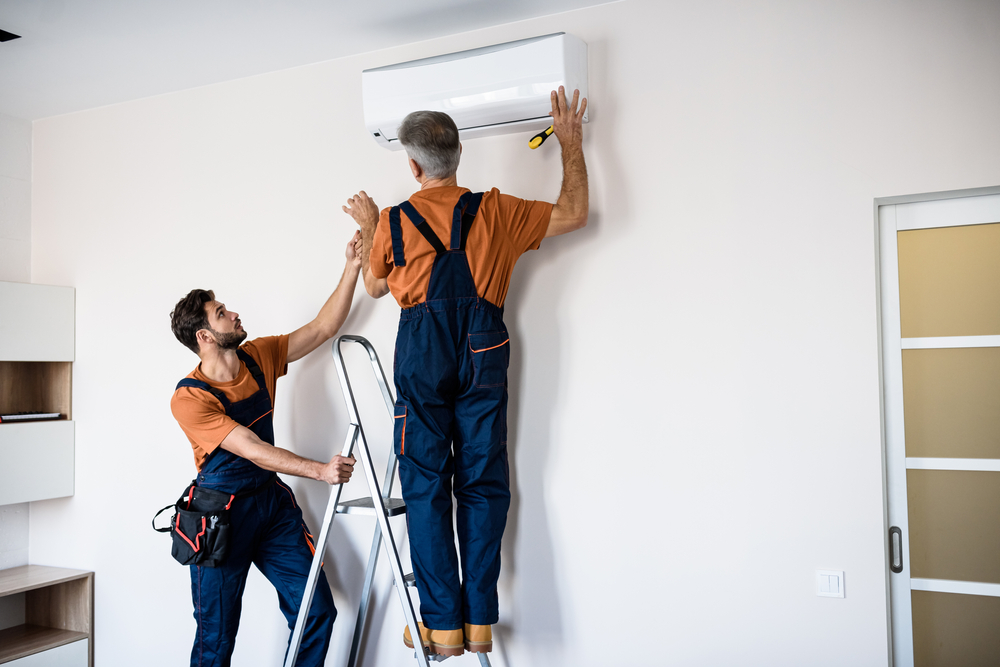
On Staten Island, where humid summers and cold coastal winters put HVAC systems to the test, installation quality can make or break long-term performance. Many local homeowners only notice problems after uneven cooling, rising energy bills, or frequent repairs start to appear.
Quick Answer
Professional HVAC installation is essential for long-term performance because it ensures the system is properly sized, correctly configured, and safely installed for local conditions. In a place like Staten Island, where salt air, humidity, and older housing stock are common, expert installation helps prevent premature wear, improves efficiency, and reduces costly breakdowns over time.
What Local Readers Should Know
- Staten Island homes in neighborhoods like Tottenville and St. George often have unique layouts that affect airflow and system sizing.
- Coastal humidity and salt exposure near areas like Great Kills can impact system longevity if installation is not handled properly.
- Improper installation can void manufacturer warranties or reduce expected lifespan.
- Energy costs in New York make efficiency especially important for long-term savings.
- Older properties across Richmond County may require ductwork updates during installation.
Why This Matters Locally
Professional HVAC installation matters in Staten Island because local environmental and structural conditions demand precision. Homes across neighborhoods like New Dorp and West Brighton often vary in age, insulation quality, and layout. Add in humidity from the Atlantic and seasonal temperature swings, and a poorly installed system will struggle almost immediately.
AFCO Heating & Air Conditioning has seen how incorrect installations lead to uneven cooling, excess humidity indoors, and systems that fail years earlier than expected. That is why we focus on proper sizing, airflow balancing, and installation techniques tailored to local homes.
Local Data or Field Observations
Based on our field experience across Staten Island and nearby areas like Bayonne and Brooklyn, many HVAC issues we diagnose trace back to installation problems rather than equipment failure. Improper duct connections, incorrect refrigerant levels, and poorly placed outdoor units are common findings.
In coastal sections near the Staten Island Greenbelt and South Shore communities, we also observe faster corrosion when systems are not installed with protective considerations.
Local Impact
Improper HVAC installation affects Staten Island homeowners in several ways. Comfort becomes inconsistent, especially in multi-story homes or older buildings. Energy bills increase as systems work harder to compensate for inefficiencies. Over time, small installation mistakes can lead to major repairs or full system replacement.
For local businesses, especially in areas like Mariners Harbor or along Hylan Boulevard, poor HVAC performance can disrupt operations, impact employee comfort, and affect customer experience.
Warning Signs
- Uneven temperatures between rooms or floors
- Higher than expected energy bills after installation
- Frequent system cycling or short cycling
- Excess humidity inside the home during summer
- Strange noises from ductwork or equipment
- Weak airflow from vents
- System struggles during peak heat or cold
When to Call a Professional
You should call a professional if your system shows performance issues soon after installation or if comfort problems persist. While homeowners can monitor airflow and thermostat settings, diagnosing airflow balance, refrigerant levels, and duct design requires professional tools and expertise.
In Staten Island, where seasonal demand can spike during summer heatwaves or winter cold snaps, waiting too long can lead to system strain and higher repair costs.
Common Local Causes
1. Incorrect system sizing
Many homes in Staten Island vary in square footage and insulation quality. Oversized or undersized systems are a common issue when installers do not properly calculate load requirements.
2. Poor ductwork design or condition
Older homes in areas like Stapleton often have outdated or undersized ducts that are not upgraded during installation.
3. Coastal environmental exposure
Salt air near the shoreline can accelerate wear if outdoor units are not properly positioned or protected.
4. Improper refrigerant charge
Incorrect levels reduce efficiency and can damage compressors over time.
5. Lack of airflow balancing
Multi-level homes require careful airflow adjustment to maintain consistent comfort.
Prevention and Maintenance
Preventing long-term HVAC issues starts with proper installation, but ongoing maintenance also plays a key role.
- Schedule seasonal maintenance before summer and winter
- Replace air filters regularly to maintain airflow
- Keep outdoor units clear of debris, especially in leafy areas like Todt Hill
- Monitor humidity levels during warmer months
- Avoid DIY adjustments to refrigerant or electrical components
Expected Results
With professional HVAC installation, Staten Island homeowners can expect consistent indoor temperatures, improved energy efficiency, and fewer unexpected repairs. Systems that are properly installed typically last longer and perform closer to their intended specifications.
You should also notice quieter operation, better humidity control, and improved air quality.
Common Mistakes
Mistake: Choosing installation based on lowest price
Consequence: Poor workmanship leads to long-term costs
Better approach: Focus on experience and local expertise
Mistake: Skipping ductwork evaluation
Consequence: New system performs poorly
Better approach: Assess and upgrade ducts if needed
Mistake: Ignoring local environmental factors
Consequence: Faster system wear
Better approach: Install with coastal conditions in mind
Common Local Scenario
A common local scenario involves a homeowner in Staten Island replacing an old HVAC unit without addressing existing duct issues. After installation, certain rooms remain uncomfortable, and energy bills increase. The root cause is not the equipment itself, but airflow restrictions and poor system integration.
Related Service Solutions
Professional HVAC installation includes several important services:
- System sizing and load calculation
- Ductwork inspection and modification
- Proper equipment placement
- Electrical and refrigerant setup
- Airflow balancing
Comparing Your Options
DIY or low-cost installation:
Lower upfront cost but higher risk of long-term issues, inefficiency, and repairs.
Professional installation:
Higher upfront investment but better performance, reliability, and long-term savings.
Repairing an improperly installed system:
Possible in some cases, but often more expensive than doing it correctly from the start.
Service Areas
We proudly serve Staten Island along with nearby communities in Richmond County and surrounding areas such as Bayonne and parts of Brooklyn. Our team understands the unique needs of local homes and businesses.
Cost of Ignoring the Issue
Ignoring poor HVAC installation can lead to rising energy bills, frequent repairs, and reduced system lifespan. In Staten Island, where seasonal extremes demand reliable heating and cooling, delays can quickly turn minor inefficiencies into major expenses.
FAQ
How does professional HVAC installation affect performance in Staten Island?
Professional HVAC installation directly impacts performance by ensuring proper sizing, airflow, and setup. In Staten Island, local climate factors like humidity and coastal air make correct installation even more important for efficiency and system longevity.
Can improper HVAC installation increase energy bills in Staten Island homes?
Yes, improper HVAC installation often leads to higher energy bills. Systems that are incorrectly sized or installed must work harder, which increases energy usage, especially during Staten Island’s hot summers and cold winters.
What are common HVAC installation issues in Richmond County homes?
Common issues include poor ductwork design, incorrect system sizing, and improper refrigerant levels. Older homes in Richmond County are especially prone to these problems if upgrades are not made during installation.
Is it worth replacing ductwork during HVAC installation in Staten Island?
Yes, replacing or upgrading ductwork is often worth it. Many Staten Island homes have aging ducts that limit airflow, and updating them improves efficiency and comfort.
How long should a properly installed HVAC system last in Staten Island?
A properly installed HVAC system can last 15 to 20 years with regular maintenance. Local environmental factors like humidity and salt air can impact lifespan if installation is not done correctly.
What signs indicate poor HVAC installation?
Signs include uneven temperatures, high energy bills, short cycling, and weak airflow. These issues often appear soon after installation if the system was not set up properly.
Do Staten Island homes require special HVAC considerations?
Yes, Staten Island homes often require special considerations due to coastal exposure, humidity, and varied housing styles. Proper installation must account for these factors.
Can poor installation void HVAC warranties?
Yes, many manufacturers require professional installation to maintain warranty coverage. Improper installation can void these protections.
Closing
A well-installed HVAC system is one of the most important investments you can make in your home or business. In Staten Island, where conditions demand reliable performance, cutting corners during installation often leads to long-term problems.
Get Reliable Comfort That Lasts
We install HVAC systems the right way from day one so you can count on comfort, efficiency, and long-term performance.