

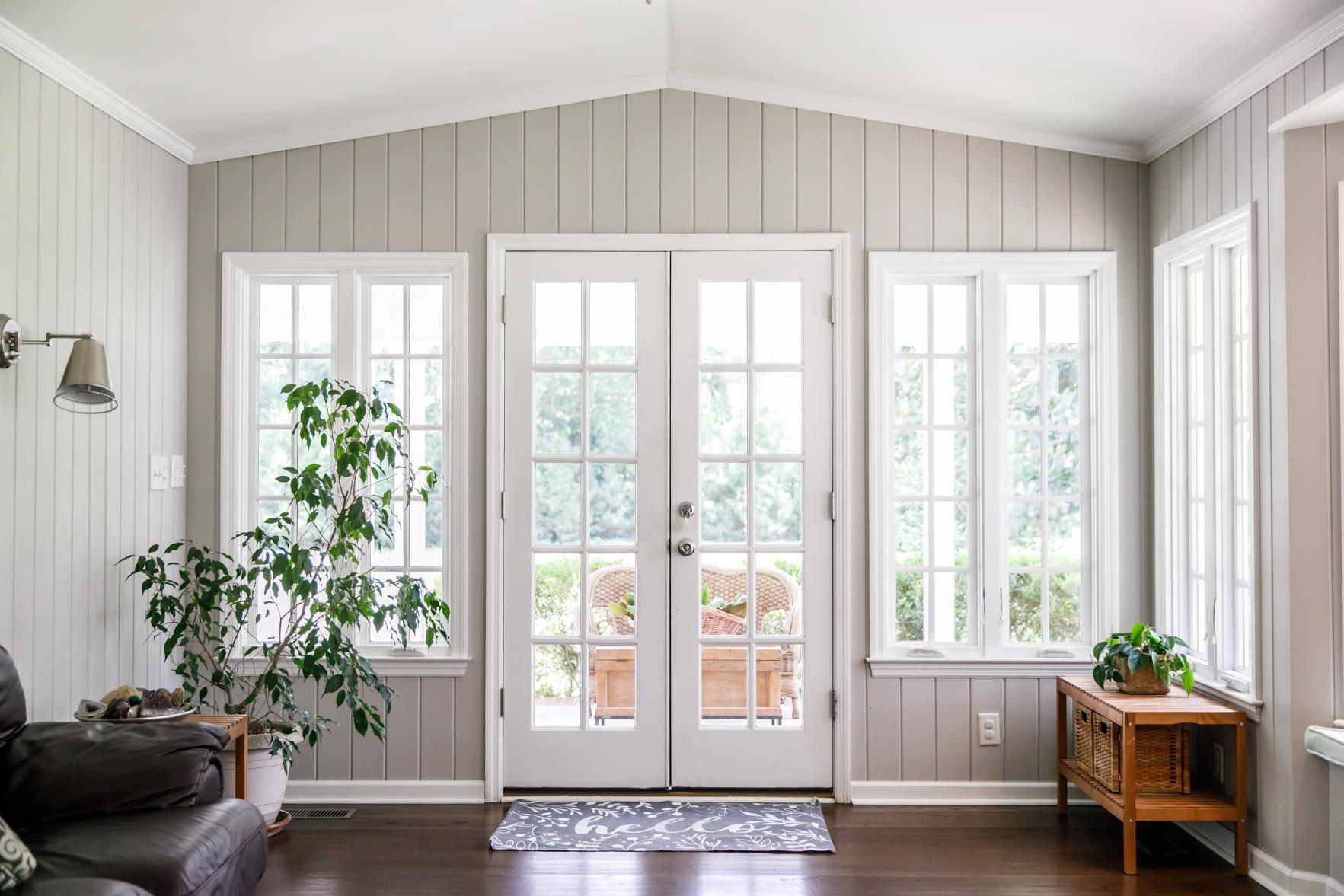
Adding more living space can make your home more comfortable, but it can also put extra demands on your heating and cooling system. Whether you’re finishing a basement, building a sunroom, or expanding your kitchen in Staten Island, an improperly sized HVAC system can leave your new space uncomfortable while increasing your energy bills.
Quick Answer
A properly sized HVAC system should heat and cool your entire home, including the new addition, without running constantly or cycling on and off too frequently. The only reliable way to determine whether your current system can handle the extra square footage is through a professional load calculation that considers the addition’s size, insulation, windows, layout, and local climate.
What Local Readers Should Know
- A home addition changes your home’s heating and cooling requirements, even if the added space seems relatively small.
- Older homes throughout neighborhoods like Tottenville, Great Kills, and West Brighton often have HVAC systems that were sized only for the original floor plan.
- Staten Island experiences hot, humid summers and cold winter weather, making proper HVAC sizing essential for year-round comfort.
- A larger HVAC unit is not always better because oversized equipment can reduce efficiency and humidity control.
- Professional load calculations provide far more accurate results than estimating based on square footage alone.
Why This Matters Locally
Proper HVAC sizing matters because homes throughout Staten Island vary significantly in age, design, and construction. Historic homes in St. George may have different insulation levels than newer homes in Charleston or Annadale. Coastal humidity from New York Harbor and the Atlantic Ocean also affects indoor comfort, especially during summer.
If your addition increases your home’s conditioned space without evaluating the HVAC system, certain rooms may become difficult to keep comfortable. AFCO Heating & Air Conditioning helps homeowners evaluate whether their existing systems can efficiently support expanded living spaces. After this introduction, we focus on helping homeowners understand what to look for before problems develop.
Local Data and Field Observations
Professional HVAC sizing is based on Manual J load calculations, an industry-standard method developed by the Air Conditioning Contractors of America (ACCA). Rather than relying only on square footage, these calculations account for insulation, window placement, ceiling height, occupancy, orientation to the sun, and local climate conditions.
From our field observations, many homeowners assume an existing system has enough capacity simply because it appears to keep the original home comfortable. After an addition is completed, however, uneven temperatures and longer operating cycles often become noticeable.
Local Impact
An undersized HVAC system affects more than comfort. It can increase utility costs, shorten equipment lifespan, and create inconsistent temperatures throughout the home.
During humid summers in Richmond County, an overworked air conditioner may struggle to remove moisture while trying to cool the expanded space. During winter, a furnace operating beyond its intended capacity may run nearly continuously without maintaining consistent indoor temperatures.
These issues become especially noticeable in additions with large windows, vaulted ceilings, or rooms that receive direct afternoon sunlight.
Warning Signs Your HVAC System May Be Too Small
A home addition can expose limitations that were never obvious before. Watch for these warning signs:
- The new addition stays warmer or cooler than the rest of the house.
- Your HVAC system runs for long periods without reaching the thermostat setting.
- Utility bills increase significantly after the addition is completed.
- Airflow from supply vents feels weaker than before.
- Some rooms become uncomfortable during peak summer or winter weather.
- Indoor humidity remains high during cooling season.
- The HVAC equipment requires more frequent repairs after the addition is finished.
When to Call a Professional
If your HVAC system struggles to maintain comfort after adding living space, a professional evaluation is recommended.
Homeowners can safely monitor room temperatures, replace air filters, and ensure supply and return vents remain unobstructed. However, determining whether equipment is properly sized requires specialized calculations and system testing.
This is especially important before completing additions in neighborhoods such as New Dorp, Eltingville, or Huguenot, where varying home designs can significantly influence heating and cooling loads.
Common Local Causes of HVAC Sizing Problems
Home Additions Without HVAC Evaluation
Many additions are planned around available space rather than heating and cooling capacity. Even a relatively small expansion can change the home’s overall load.
Older Equipment
Many homes throughout Staten Island have HVAC systems that are several years old. Even if they originally met the home’s needs, they may no longer have sufficient capacity after additional living space is added.
Poor Air Distribution
Sometimes the equipment itself is large enough, but the ductwork was never designed to deliver conditioned air to the new rooms efficiently.
Increased Solar Heat Gain
Sunrooms, expanded kitchens, and rooms with large windows often gain substantially more heat during summer, requiring additional cooling capacity.
Changes to Home Insulation
Renovations can alter airflow patterns and insulation performance, changing how efficiently conditioned air moves throughout the house.
Prevention and Maintenance
Planning ahead helps prevent comfort issues after construction.
Before beginning a home addition:
- Schedule an HVAC evaluation during the design phase.
- Request a Manual J load calculation.
- Have existing ductwork inspected for adequate airflow.
- Replace dirty filters before seasonal demand increases.
- Schedule annual heating and cooling maintenance.
Homeowners should avoid attempting to modify refrigerant levels, electrical components, or duct design without professional assistance.
Expected Results
A properly sized HVAC system should provide:
- More consistent temperatures throughout the home.
- Improved humidity control during summer.
- Better energy efficiency.
- Reduced equipment wear.
- Greater comfort in both the original home and the new addition.
Results depend on the condition of existing equipment, insulation quality, and whether ductwork is properly designed for the expanded space.
Common Mistakes
Assuming Bigger Is Better
Installing oversized equipment can cause short cycling, uneven temperatures, and poor humidity control.
A better approach is selecting equipment based on a professional load calculation.
Extending Existing Ductwork Without Evaluation
Simply adding more ductwork does not guarantee adequate airflow.
Instead, have the entire distribution system evaluated to ensure balanced performance.
Ignoring Insulation
Poor insulation increases heating and cooling demands regardless of equipment size.
Improving insulation often helps maximize HVAC efficiency.
Waiting Until Comfort Problems Develop
Many homeowners do not notice sizing issues until after construction is complete.
Evaluating HVAC capacity before construction helps avoid costly modifications later.
Common Local Scenario
A Staten Island homeowner completes a family room addition expecting the existing HVAC system to handle the extra space. During the first summer, the new room remains several degrees warmer than the rest of the house while the air conditioner runs almost continuously. A professional evaluation reveals that although the equipment is functioning properly, it was originally sized only for the home’s previous layout, making additional system upgrades necessary.
Related Service Solutions
Several HVAC services can help address sizing concerns:
- Professional load calculations
- HVAC system inspections
- Ductwork evaluation and modification
- Equipment replacement when appropriate
- Airflow balancing
- Preventive maintenance
Comparing Your Options
| Option | Advantages | Considerations |
|---|---|---|
| Continue Using Existing System | Lower upfront cost | May struggle to maintain comfort |
| Modify Ductwork | Can improve airflow | Only effective if equipment capacity is sufficient |
| Upgrade HVAC Equipment | Better matches new load requirements | Higher initial investment |
| Complete Professional Load Calculation First | Identifies the right solution | Helps avoid unnecessary expenses |
Service Areas
We proudly help homeowners throughout Staten Island, including Tottenville, Great Kills, New Dorp, Annadale, Eltingville, St. George, Huguenot, Charleston, and nearby Richmond County communities. Local experience helps us evaluate how neighborhood home styles and coastal weather conditions affect HVAC performance.
Cost of Ignoring the Issue
Waiting too long to address HVAC sizing issues can increase operating costs and reduce equipment lifespan. Continuous operation places additional strain on components, while uneven temperatures may make portions of your home uncomfortable during extreme weather.
Frequently Asked Questions
Does every home addition in Staten Island require a new HVAC system?
Not necessarily. Some existing systems have enough capacity, while others may only require ductwork modifications. A professional load calculation determines the appropriate solution.
Can I simply install a larger thermostat after my addition?
No. A thermostat controls when the system operates but does not increase heating or cooling capacity. Equipment sizing must match the home’s actual load.
Why do additions often feel warmer during Staten Island summers?
Rooms with large windows, increased sun exposure, or limited airflow can gain more heat than the original home, especially during humid summer weather.
How is HVAC sizing calculated?
HVAC sizing is determined through a Manual J load calculation that evaluates insulation, windows, orientation, occupancy, ceiling height, and local climate rather than square footage alone.
Should older homes in Richmond County have HVAC evaluations before remodeling?
Yes. Many older homes were built before modern insulation standards and may require updated heating and cooling calculations before adding living space.
Can ductwork alone solve uneven temperatures?
Sometimes. If the existing HVAC equipment has sufficient capacity, improving airflow through properly designed ductwork may resolve comfort issues.
How long does an HVAC sizing evaluation take?
Most professional evaluations can be completed during a scheduled service appointment, depending on the home’s layout and the complexity of the addition.
Will a properly sized HVAC system reduce energy costs?
A properly sized and properly maintained system often operates more efficiently because it is designed to meet the home’s actual heating and cooling requirements without excessive runtime.
Closing
Expanding your home should improve your comfort, not create new heating and cooling problems. Understanding whether your HVAC system can support your addition helps protect your investment, improve efficiency, and maintain consistent comfort throughout every season in Staten Island.
Make Sure Your Home Addition Stays Comfortable Year-Round
Our team can evaluate your current HVAC system and recommend solutions that fit your expanded home’s heating and cooling needs.