

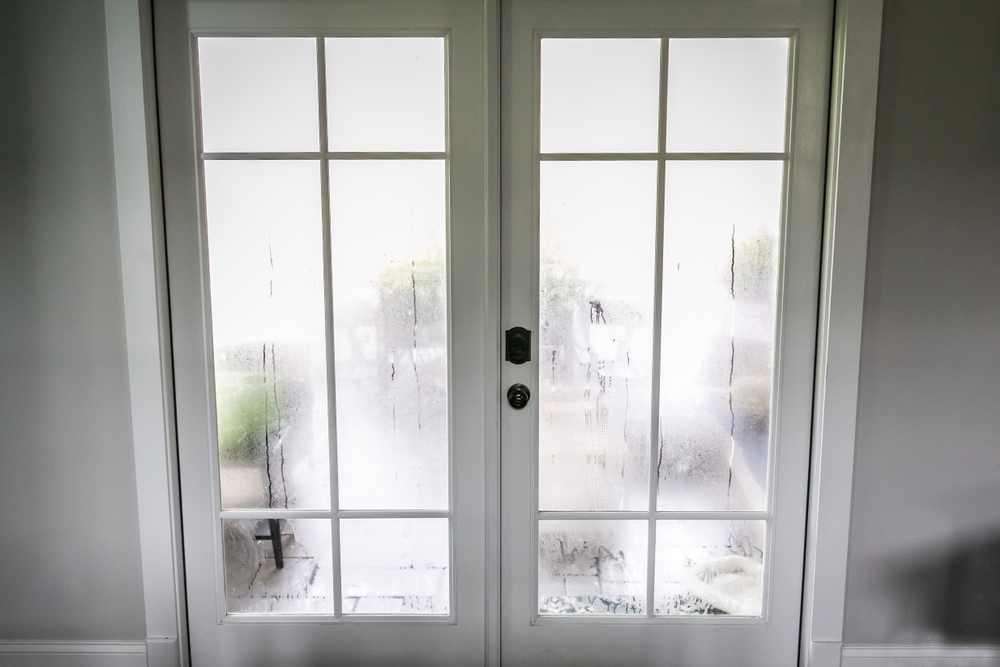
If your home feels sticky even when the air conditioner is running, humidity may be the real problem. Many homeowners across Staten Island notice higher indoor moisture levels during the summer months, especially near coastal areas where warm air and moisture combine to create uncomfortable indoor conditions. Excess humidity can affect comfort, increase energy costs, and make HVAC systems work harder than necessary.
High humidity impacts home comfort and HVAC performance by making indoor spaces feel warmer, reducing air conditioning efficiency, increasing strain on equipment, and contributing to indoor air quality concerns. In Staten Island, humid summer weather often creates conditions that challenge residential cooling systems, particularly in older homes and properties with inadequate ventilation.
What Homeowners Should Know About Humidity and HVAC Systems
- High indoor humidity can make a home feel several degrees warmer even when the thermostat setting remains unchanged.
- Staten Island’s coastal location contributes to elevated summer humidity levels that can place additional strain on cooling systems.
- Excess moisture can reduce air conditioning efficiency and increase monthly energy costs.
- Proper HVAC maintenance helps identify humidity-related performance issues before they lead to larger repairs.
- Indoor humidity control solutions can improve comfort, protect indoor air quality, and support longer HVAC system life.
Humidity is a particularly important concern for homeowners in Staten Island because of the area’s proximity to New York Harbor, Lower New York Bay, and the Atlantic coastal environment. Neighborhoods such as Tottenville, Great Kills, New Dorp, Huguenot, and South Beach frequently experience warm, humid conditions throughout the summer season.
Many homes throughout Richmond County also vary significantly in age and construction style. Older properties may have ventilation challenges, while newer homes can be tightly sealed, trapping excess moisture indoors. These local conditions often make humidity management just as important as temperature control.
At AFCO Heating & Air Conditioning, we regularly help homeowners understand how moisture affects cooling performance, comfort levels, and overall system efficiency. While temperature often gets the most attention, humidity frequently plays an equally important role in how comfortable a home feels throughout the summer.
Humidity affects both comfort and HVAC performance because excess moisture forces cooling systems to work harder while making indoor temperatures feel warmer than they actually are. Proper humidity control supports better comfort, energy efficiency, and indoor air quality throughout the region.
Local Conditions That Influence Indoor Humidity
- Coastal air moving inland often carries significant moisture during the summer.
- Homes near Great Kills Harbor and South Shore neighborhoods may experience higher seasonal humidity levels.
- Older homes may have ventilation limitations that allow moisture to accumulate indoors.
- Finished basements can contribute additional indoor moisture if not properly managed.
- Summer thunderstorms common throughout the New York City area can quickly increase outdoor humidity levels.
- Air conditioning systems that are oversized or poorly maintained may struggle to remove moisture effectively.
- Indoor activities such as cooking, showering, and laundry can further increase household humidity levels.
Local Data and Seasonal Humidity Trends
Humidity levels throughout Staten Island typically rise during late spring and remain elevated through much of the summer season. According to the National Weather Service, warm air can hold more moisture, which contributes to the muggy conditions many New York residents experience during the hottest months of the year.
From a field perspective, we commonly receive calls from homeowners who believe their air conditioner is failing when the actual issue involves excessive indoor moisture. In many cases, the equipment is operating correctly but is struggling to maintain comfort because humidity levels remain too high.
How Humidity Affects Daily Comfort
High humidity affects daily comfort by slowing the body’s natural cooling process through evaporation. When indoor air contains too much moisture, sweat evaporates less efficiently, causing people to feel hotter even when indoor temperatures appear normal.
For families, retirees, and property owners throughout the borough, this often results in:
- Sticky or clammy indoor conditions
- Difficulty sleeping comfortably
- Increased thermostat adjustments
- Uneven temperatures between rooms
- Persistent feelings of warmth despite air conditioning operation
Many homeowners compensate by lowering thermostat settings, which can increase energy consumption without solving the underlying humidity problem.
Professional Insights on Humidity Control
Humidity problems are frequently mistaken for cooling problems. We often find that homeowners focus on thermostat settings when indoor moisture is the primary factor affecting comfort.
Our experience servicing homes throughout the area has shown that properly maintained HVAC equipment removes moisture more effectively than neglected systems. Dirty filters, clogged coils, airflow restrictions, and aging components can all reduce dehumidification performance.
Warning Signs of Excess Indoor Humidity
Indoor humidity problems often reveal themselves through noticeable comfort and moisture-related symptoms. Common warning signs include:
- Condensation on windows
- Musty or damp odors
- Sticky indoor air
- Visible mold or mildew growth
- Increased allergy or respiratory irritation
- Uneven cooling throughout the home
- Rising utility bills during cooling season
- Air conditioning that runs for extended periods without improving comfort
Ignoring these warning signs can lead to reduced HVAC efficiency, indoor air quality concerns, and unnecessary wear on system components.
When to Call an HVAC Professional
You should call an HVAC professional when humidity remains high despite normal air conditioner operation, when moisture-related symptoms become persistent, or when comfort issues continue after basic maintenance steps.
Homeowners can monitor humidity levels using an inexpensive hygrometer. Generally, indoor humidity should remain within a comfortable range during cooling season. If levels consistently exceed recommended ranges, professional evaluation may be necessary.
Local climate conditions can make moisture management more challenging than simple thermostat adjustments. Professional inspections can identify airflow problems, equipment issues, duct concerns, and humidity control opportunities.
Common Causes of Humidity Problems in Staten Island Homes
Humidity problems in Staten Island homes are most commonly caused by outdoor moisture, HVAC performance issues, ventilation deficiencies, and home-specific conditions.
The most frequent causes include:
- High seasonal outdoor humidity
- Dirty HVAC filters and restricted airflow
- Aging air conditioning equipment
- Oversized cooling systems that short-cycle
- Poor attic or crawlspace ventilation
- Basement moisture intrusion
- Leaky ductwork
- Inadequate dehumidification capacity
Because local weather patterns often bring prolonged humid conditions, even small HVAC deficiencies can become noticeable.
Preventing Excess Indoor Humidity
Preventing humidity problems requires a combination of HVAC maintenance, proper ventilation, and proactive moisture management.
Helpful prevention strategies include:
- Replacing air filters regularly
- Scheduling annual HVAC maintenance
- Keeping condensate drains clear
- Monitoring indoor humidity levels
- Addressing water leaks promptly
- Improving attic and bathroom ventilation
- Considering whole-home dehumidification when appropriate
We recommend preventative HVAC maintenance before summer humidity peaks arrive.
Expected Results From Proper Humidity Control
Proper humidity control improves comfort, supports air conditioning efficiency, and helps reduce unnecessary system strain.
Homeowners often notice:
- Improved comfort at higher thermostat settings
- Better indoor air quality
- Reduced musty odors
- More consistent temperatures
- Lower equipment stress
- Potential energy savings through improved efficiency
Results vary depending on equipment condition, home construction, and existing moisture levels, but many households experience meaningful comfort improvements after addressing humidity concerns.
Expert Insight: Summer HVAC service calls frequently involve humidity-related complaints rather than true cooling failures. Preventative maintenance before peak summer conditions can help identify issues that affect moisture removal performance.
Common Mistakes Homeowners Make
One common mistake is lowering the thermostat repeatedly instead of addressing humidity directly. This can increase energy usage without improving comfort.
Another mistake is skipping routine maintenance. Dirty components can reduce both cooling and dehumidification performance.
A better approach is combining regular HVAC maintenance with proper humidity monitoring and professional system evaluations when necessary.
A Common Local Scenario
A common local scenario involves a homeowner in the South Shore area who notices that the home feels uncomfortable despite the air conditioner running throughout the day. Indoor temperatures appear normal, but occupants still feel warm and sticky.
During inspection, the issue may be traced to restricted airflow, poor dehumidification performance, or an aging system component. After correcting the underlying problem, indoor comfort often improves significantly without requiring extreme thermostat settings.
HVAC Services That Help Address Humidity Problems
HVAC services that help address humidity problems include system maintenance, performance inspections, repairs, airflow evaluations, and indoor air quality solutions.
We provide:
- HVAC maintenance Staten Island homeowners can rely on
- Air conditioning repair Staten Island residents need during humid weather
- Indoor humidity control Staten Island solutions
- HVAC repair Staten Island NY services
- Residential HVAC services Staten Island property owners trust
- Air conditioning efficiency evaluations
- Indoor air quality Staten Island improvements
- Dehumidification solutions
- Energy-efficient HVAC systems recommendations
Our goal is to help homeowners improve comfort while maximizing HVAC performance and system longevity.
Comparing Your Options
The best solution depends on the source of the humidity issue. Minor concerns may be addressed through maintenance and airflow improvements, while persistent problems may require dedicated humidity control equipment.
Maintenance is typically the most cost-effective first step because it allows technicians to identify hidden performance issues before recommending larger upgrades.
For aging systems, replacement may offer additional comfort and efficiency benefits through improved moisture removal capabilities.
Service Areas We Serve
We proudly serve homeowners throughout Staten Island, including neighborhoods such as Tottenville, Great Kills, New Dorp, Huguenot, Eltingville, Annadale, and surrounding communities throughout Richmond County.
Our familiarity with local climate conditions helps us provide customized recommendations based on the unique challenges area homeowners face.
The Cost of Ignoring Humidity Problems
Ignoring humidity problems can increase energy costs, reduce comfort, accelerate HVAC wear, and contribute to indoor air quality concerns.
Over time, excess moisture may also affect building materials, encourage mold growth, and increase the likelihood of costly repairs. Addressing humidity concerns early often helps prevent larger comfort and efficiency issues later.
FAQ
Why does my house feel humid even when the AC is running?
Your house may feel humid because the HVAC system is not removing moisture effectively. Common causes include dirty filters, airflow restrictions, oversized equipment, or maintenance-related issues.
Is high humidity common in Staten Island summers?
Yes. Staten Island’s coastal location contributes to humid summer conditions that can affect indoor comfort and HVAC performance throughout the cooling season.
Can humidity increase my energy bills?
Yes. High humidity often causes homeowners to lower thermostat settings, which can increase air conditioning run times and overall energy consumption.
What indoor humidity level is considered comfortable?
Most homeowners find indoor humidity levels between approximately 30% and 50% comfortable. Conditions outside this range may affect comfort and indoor air quality.
How often should HVAC maintenance be performed?
Most residential systems benefit from professional maintenance at least once annually, with many homeowners scheduling service before peak cooling season.
Can a dehumidifier improve HVAC performance?
Yes. In some situations, whole-home dehumidification solutions can reduce moisture levels and improve overall comfort while supporting HVAC efficiency.
Does poor indoor humidity affect indoor air quality?
Yes. Excess moisture can contribute to mold growth, musty odors, and other indoor air quality concerns when left unaddressed.
When should I call an HVAC company in Staten Island, NY?
You should contact a professional if persistent humidity, uneven cooling, rising energy bills, or comfort issues continue despite routine maintenance and filter replacement.
Homeowners throughout Staten Island face unique humidity challenges due to the area’s climate, housing stock, and seasonal weather patterns. Understanding how moisture affects comfort and HVAC performance can help you make informed decisions about maintenance, repairs, and system improvements.
Improve Comfort and HVAC Performance in Your Home
AFCO Heating & Air Conditioning understands the humidity and HVAC challenges local homeowners face throughout the year. Our team provides professional inspections, HVAC maintenance, repair services, indoor air quality solutions, and customized recommendations designed to improve comfort and efficiency.