

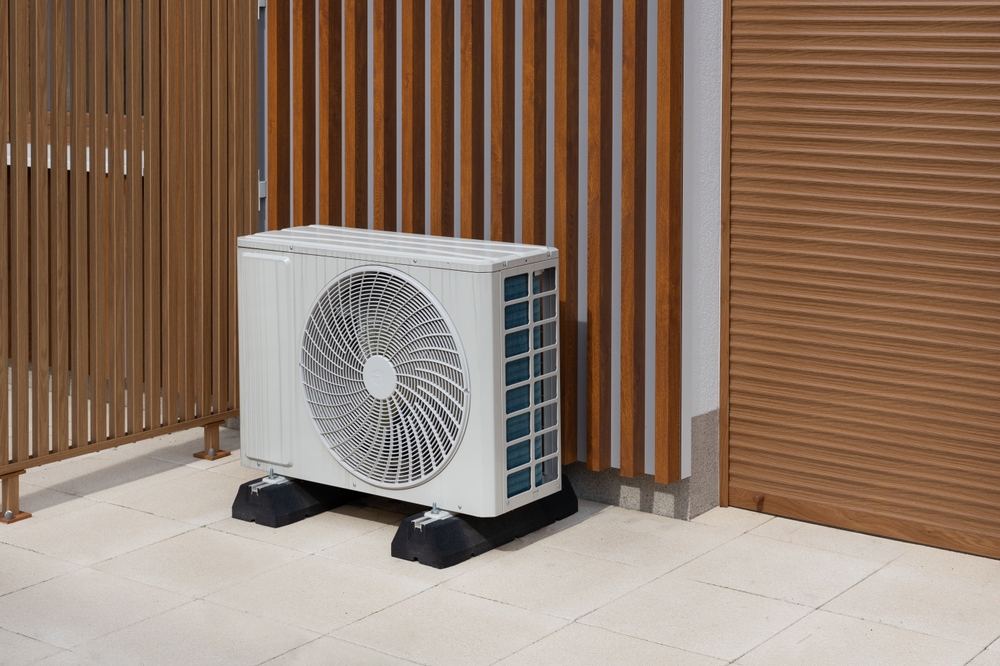
Winter in Staten Island, NY, brings freezing temperatures, icy winds, and occasional snowstorms that put home heating systems to the test. Homeowners in neighborhoods like Tottenville, Great Kills, and New Dorp often wonder whether a heat pump can keep their homes comfortable when temperatures drop below freezing.
The good news is that modern heat pumps are designed to handle colder weather, making them a practical heating option for many New York homes.
Quick Answer: Yes, a heat pump can work efficiently during New York’s cold winters, especially when it is a cold-climate model designed for low outdoor temperatures. Unlike traditional heating systems that generate heat, heat pumps transfer heat from outside air into the home. Even when outdoor temperatures fall below freezing, some heat remains available for extraction. However, heating efficiency, equipment sizing, insulation, and backup heating options all influence winter performance.
What Staten Island Homeowners Should Know
-
Cold-climate heat pumps can operate below freezing. Certain models are designed to provide heating at outdoor temperatures well below 0°F, although their capacity and efficiency vary.
-
Staten Island’s coastal climate affects heating needs. Cold winds, damp conditions, and fluctuating winter temperatures can increase the demand on home heating equipment.
-
Home insulation makes a difference. Older homes in neighborhoods like West Brighton and Port Richmond may require insulation improvements to maximize heat pump performance.
-
Proper sizing is essential. An incorrectly sized heat pump may struggle to maintain comfortable indoor temperatures or operate less efficiently.
-
Backup heating may be beneficial. Some homes use supplemental electric heat or a dual-fuel system during extreme cold.
For Staten Island homeowners considering an upgrade, understanding how heat pumps perform in winter can help determine whether this technology is suitable for their property.
At AFCO Heating & Air Conditioning, we understand how local winter conditions influence home comfort and heating system performance. Our goal is to help homeowners understand their heating options and make informed decisions about efficiency, comfort, and equipment care.
How Well Do Heat Pumps Perform in Staten Island’s Winter Temperatures?
Modern cold-climate heat pumps can provide effective heating throughout much of Staten Island’s winter, including during freezing weather. Their actual performance depends on outdoor temperature, equipment specifications, home insulation, and installation quality. Choosing a system designed for the home’s heating load is essential for dependable comfort.
According to the U.S. Department of Energy, air-source heat pump technology has advanced enough to make it a viable heating option in colder regions.
Traditional heat pumps may experience significant heating capacity reductions as outdoor temperatures fall. Cold-climate models use technologies such as variable-speed compressors and advanced refrigerant controls to maintain stronger heating performance in low temperatures.
For homes near the waterfront in South Beach or Midland Beach, winter winds can increase heat loss through poorly sealed windows, doors, and exterior walls. Even a high-performing heat pump may have difficulty maintaining comfort if the building loses heat faster than the equipment can replace it.
The most reliable approach is to evaluate both the heat pump’s low-temperature heating capacity and the property’s overall heating requirements.
How Does Cold Weather Affect Heat Pump Efficiency?
Cold weather reduces heat pump efficiency because the system must work harder to extract heat from increasingly cold outdoor air. Although cold-climate equipment can continue operating at very low temperatures, its coefficient of performance and available heating capacity generally decrease as outdoor temperatures fall.
A heat pump’s coefficient of performance, or COP, compares the heat delivered with the electricity consumed.
For example, a COP of 2 means the system provides two units of heating energy for every unit of electrical energy used. Actual performance changes with operating conditions.
During a typical Staten Island winter, homeowners may notice:
-
Longer heating cycles during particularly cold nights.
-
Higher electricity consumption during prolonged freezing conditions.
-
Temporary defrost cycles that remove frost from the outdoor coil.
-
Supplemental heating operation when the outdoor temperature becomes too low for the heat pump to meet the entire heating demand.
These operating characteristics are not necessarily signs of equipment failure. However, persistent comfort problems or unusually high energy consumption should be evaluated.
What Are the Warning Signs That a Heat Pump Is Struggling in Winter?
A heat pump may be struggling during winter if it cannot maintain the thermostat setting, runs continuously without providing adequate warmth, or repeatedly activates supplemental heating. Staten Island homeowners should distinguish normal cold-weather operation from symptoms that indicate a maintenance, installation, or equipment problem.
Watch for these warning signs:
-
Uneven indoor temperatures: Certain rooms remain noticeably colder than others, even after extended heating cycles.
-
Insufficient warm airflow: Supply vents deliver little air or air that feels unusually cool for an extended period.
-
Excessive ice buildup: Thick ice remains on the outdoor unit instead of clearing during normal defrost operation.
-
Unexplained energy bill increases: Electricity consumption rises significantly beyond what colder weather and normal usage would explain.
-
Frequent system shutdowns: The heat pump repeatedly stops operating or displays error codes.
-
Unusual mechanical noises: Grinding, rattling, or other unfamiliar sounds occur during operation.
-
Persistent backup heating: Supplemental heat operates frequently even during relatively mild winter conditions.
If these symptoms occur during a cold spell in Staten Island, a professional inspection can help determine whether the cause is routine maintenance, inadequate heating capacity, or a mechanical issue.
When Should You Call a Professional for Heat Pump Problems?
Professional heat pump service is recommended when a system repeatedly fails to maintain indoor temperatures, develops persistent ice buildup, or displays unusual operating behavior. During New York’s coldest periods, addressing these issues promptly helps reduce discomfort and limits the risk of additional equipment problems.
Homeowners can safely check thermostat settings, replace accessible air filters, and remove loose debris from around the outdoor unit.
However, refrigerant problems, electrical faults, compressor issues, and defrost system malfunctions require qualified HVAC service.
Never chip ice from an outdoor coil or attempt electrical or refrigerant repairs without appropriate training.
For homes in Richmond County, arranging service before an extended cold period is generally preferable to waiting until the system can no longer provide adequate heat.
What Causes Heat Pumps to Lose Efficiency During Cold Winters?
Heat pumps commonly lose efficiency during cold winters because of falling outdoor temperatures, restricted airflow, poor insulation, equipment faults, or an incorrect system size. In Staten Island, coastal exposure and the varied age and construction of residential properties can make these factors especially important.
1. Low Outdoor Temperatures
As outdoor temperatures decrease, a heat pump has less readily available heat to extract. The system may consume more electricity to deliver the heating required by the home.
2. Poor Insulation and Air Leaks
Older houses in areas such as St. George and West Brighton may have drafts around windows, doors, attics, or other building penetrations.
These openings increase heat loss and make the heating system work harder.
3. Restricted Airflow
Dirty filters, blocked vents, and debris around outdoor equipment can reduce heating performance.
Leaves, snow, and other obstructions should be kept away from the outdoor unit while maintaining the manufacturer’s required clearances.
4. Incorrect Equipment Sizing
An undersized heat pump may struggle during extremely cold weather, while an oversized system can create comfort and operating problems.
Proper equipment selection should be based on a heating load calculation rather than square footage alone.
5. Defrost or Refrigerant Problems
Outdoor coils can accumulate frost during cold, humid weather. Normal defrost cycles remove that frost, but malfunctioning components may allow excessive ice to build up.
Low refrigerant charge or other mechanical issues can also reduce system performance.
How Can Staten Island Homeowners Maintain Heat Pump Efficiency in Winter?
Staten Island homeowners can maintain better heat pump efficiency by scheduling seasonal maintenance, keeping airflow unobstructed, improving insulation, and using appropriate thermostat settings. These measures help the equipment operate as intended and reduce avoidable heating losses during New York’s colder months.
Consider the following maintenance practices:
-
Schedule fall maintenance: Have the system inspected before the main heating season begins.
-
Check air filters regularly: Replace or clean filters according to manufacturer recommendations and household conditions.
-
Keep outdoor equipment clear: Remove loose leaves and snow around the unit without damaging its components.
-
Seal drafts: Address air leaks around windows, doors, and accessible building penetrations.
-
Maintain reasonable thermostat settings: Avoid unnecessary temperature changes that may trigger supplemental heating on certain systems.
-
Monitor unusual performance: Pay attention to recurring error messages, excessive ice, or persistent heating problems.
Homes near coastal areas such as Huguenot and Tottenville may also benefit from having outdoor equipment inspected for corrosion and weather-related wear.
Professional maintenance can identify developing problems before they significantly affect winter comfort.
What Results Can You Expect From a Properly Installed Cold-Climate Heat Pump?
A properly selected and installed cold-climate heat pump can provide consistent winter heating, efficient operation across a wide range of temperatures, and year-round heating and cooling from one system. Actual comfort and operating costs depend on the home’s construction, electricity rates, equipment performance, and heating habits.
For Staten Island homeowners, potential benefits include more consistent temperature control and reduced dependence on fossil-fuel heating, depending on the system being replaced.
Variable-speed equipment can adjust its output to changing heating needs rather than operating only at full capacity.
However, heat pumps do not automatically guarantee lower utility bills. Homes currently using natural gas, oil, or electric resistance heating may experience different operating-cost outcomes.
A professional assessment can help estimate performance using the home’s heating requirements and available utility rates.
What Common Mistakes Should Homeowners Avoid When Using a Heat Pump?
The most common heat pump mistakes include selecting equipment without a heating load calculation, neglecting maintenance, and assuming every heat pump performs equally well in freezing weather. Avoiding these errors helps Staten Island homeowners make better decisions about winter comfort and long-term efficiency.
| Common mistake | Possible consequence | Better approach |
|---|---|---|
| Choosing a standard heat pump without checking cold-weather ratings | Reduced heating capacity during severe cold | Compare cold-climate performance specifications |
| Ignoring drafts in an older home | Higher heating demand and uneven comfort | Improve insulation and air sealing |
| Skipping maintenance | Reduced airflow and preventable performance problems | Schedule seasonal inspections |
| Frequently making large thermostat setbacks | Unnecessary supplemental heat use on some systems | Follow equipment-specific thermostat guidance |
| Ignoring persistent outdoor coil ice | Restricted heat transfer and possible equipment damage | Arrange a professional inspection |
Taking a whole-home approach is often more effective than focusing on equipment efficiency ratings alone.
What Is a Common Winter Heat Pump Scenario in Staten Island?
A common winter heat pump scenario involves an older Staten Island home with uneven insulation and rooms that lose heat quickly during freezing, windy weather. Even with a functioning heat pump, the homeowner may notice longer heating cycles and inconsistent temperatures between rooms.
For example, consider a hypothetical two-story home in Great Kills with drafty upstairs windows and limited attic insulation.
During mild winter weather, the heat pump maintains comfortable temperatures. When a cold front arrives, the upstairs bedrooms become noticeably cooler.
The homeowner might assume the heat pump is defective, but the actual problem could involve heat loss, inadequate airflow, or a mismatch between the equipment’s heating capacity and the home’s needs.
An HVAC evaluation combined with an insulation assessment can help identify the most practical solution.
This is an illustrative local scenario, not a documented customer project.
Which HVAC Services Help Heat Pumps Perform Better in Cold Weather?
Heat pump installation, maintenance, diagnostics, and repair can all help improve cold-weather heating performance when matched to the home’s actual needs. For Staten Island properties, the appropriate service depends on whether the problem involves equipment selection, airflow, mechanical condition, or excessive building heat loss.
At AFCO Heating & Air Conditioning, we encourage homeowners to consider the following service solutions when evaluating winter heating needs:
-
Heat pump evaluation: Determine whether existing equipment has adequate cold-weather heating capacity.
-
Heating system maintenance: Inspect components, airflow, and operating conditions.
-
Heat pump repair: Diagnose mechanical, electrical, or defrost-related issues.
-
System replacement planning: Compare cold-climate heat pumps with other suitable heating options.
-
Heating load assessment: Evaluate how insulation, windows, and building construction affect required heating capacity.
The right solution should address the cause of the problem rather than simply treating the symptoms.
Should You Repair, Replace, or Upgrade Your Heating System?
Repairing, replacing, or upgrading a heating system depends on equipment condition, repair costs, efficiency, and whether the system can meet the home’s winter heating needs. Staten Island homeowners should evaluate long-term comfort and operating costs rather than choosing solely based on the lowest immediate expense.
| Option | When it may make sense | Important consideration |
|---|---|---|
| Repair existing heat pump | Equipment is otherwise reliable and the problem is isolated | Compare repair costs with remaining system life |
| Upgrade to a cold-climate heat pump | Existing equipment lacks adequate low-temperature performance | Verify heating capacity at local design temperatures |
| Install a dual-fuel system | A home benefits from combining a heat pump with a compatible furnace | Compare fuel costs, controls, and installation requirements |
| Improve insulation and air sealing | Excessive heat loss contributes to comfort problems | Building improvements may reduce heating demand |
A professional evaluation can help homeowners compare these choices based on their particular property.
Which Staten Island Neighborhoods Can Benefit From Cold-Climate Heat Pumps?
Cold-climate heat pumps may be suitable for homes throughout Staten Island, including properties in Tottenville, Great Kills, New Dorp, and Port Richmond. Suitability depends more on the home’s heating load, electrical infrastructure, insulation, and equipment design than on its neighborhood alone.
Homes near the shoreline may have different weather-exposure concerns than properties farther inland. Older buildings may also require additional preparation before a heating system upgrade.
What Is the Cost of Ignoring Heat Pump Performance Problems?
Ignoring heat pump performance problems can increase electricity consumption, reduce indoor comfort, and allow minor mechanical issues to develop into more expensive repairs. During Staten Island’s winter heating season, prolonged equipment problems may also leave a home without adequate heat during freezing conditions.
For example, a malfunctioning defrost system can reduce heat transfer, while a clogged filter may restrict airflow and increase system strain.
Delaying repairs can also make it more difficult to arrange convenient service during periods of high heating demand.
Addressing warning signs early is generally the more practical approach.
Frequently Asked Questions About Heat Pumps in Staten Island
1. Can a heat pump heat a house when it is below freezing in Staten Island?
Yes, a properly designed heat pump can heat a Staten Island home when outdoor temperatures fall below freezing. Cold-climate models are engineered for low-temperature operation, although their heating capacity and efficiency vary. Equipment specifications and the home’s heating load determine whether supplemental heat is necessary.
2. What is the lowest temperature a cold-climate heat pump can handle?
Some cold-climate heat pumps can operate at temperatures around -15°F or lower, depending on the model. However, operating at that temperature does not mean the system delivers its full rated heating capacity. Homeowners should review manufacturer performance data for specific low-temperature conditions before selecting equipment.
3. Are heat pumps more efficient than gas furnaces during New York winters?
Heat pumps can deliver more heating energy than the electrical energy they consume, but that does not automatically make them cheaper to operate than gas furnaces. In New York, operating costs depend on electricity and gas prices, outdoor temperatures, equipment efficiency, and the home’s heating demand.
4. Do Staten Island homes need backup heating with a heat pump?
Some Staten Island homes benefit from backup heating, but not every installation requires a separate heating system. A properly sized cold-climate heat pump may meet the entire design heating load of certain properties. Other homes may use electric supplemental heat or a dual-fuel configuration during particularly cold weather.
5. Can a heat pump replace an oil or gas heating system in Richmond County?
Yes, a heat pump can potentially replace an oil or gas heating system in a Richmond County home. The decision requires evaluating heat loss, electrical capacity, equipment performance, distribution requirements, and installation costs. Older properties may need insulation improvements or electrical upgrades before making the transition.
6. Why does my heat pump run constantly during a Staten Island winter?
Long heating cycles can be normal for variable-speed heat pumps during cold weather because they are designed to maintain steady indoor temperatures. However, if the system runs continuously without reaching the thermostat setting, possible causes include excessive heat loss, restricted airflow, inadequate capacity, or mechanical problems.
7. How often should a heat pump be serviced in New York?
Heat pumps should generally receive professional maintenance at least annually, with twice-yearly inspections often appropriate because the equipment provides both heating and cooling. In Staten Island, a fall inspection helps prepare for winter heating, while spring maintenance can address cooling-season needs. Follow manufacturer recommendations for the specific system.
8. Do heat pumps work well in coastal neighborhoods like South Beach?
Yes, heat pumps can work well in coastal neighborhoods such as South Beach when equipment is properly selected, installed, and maintained. Salt-laden air, moisture, and wind exposure may affect outdoor equipment and building heat loss. Appropriate installation placement, corrosion considerations, and regular inspections can help support dependable performance.
9. Is it worth installing a cold-climate heat pump in an older Staten Island home?
A cold-climate heat pump may be worthwhile in an older Staten Island home, particularly when existing heating equipment needs replacement. However, older insulation, drafty windows, ductwork limitations, and electrical capacity can affect the project. A heating load assessment and comparison of installation and operating costs should guide the decision.
Stay Comfortable Through New York’s Coldest Winter Days
A modern cold-climate heat pump can be an effective heating solution for Staten Island homes, even when winter temperatures fall below freezing. The key is selecting suitable equipment, addressing building heat loss, and keeping the system properly maintained.
Understanding how cold weather affects heat pump performance helps homeowners avoid unnecessary energy consumption and make informed heating decisions.
Keep Your Staten Island Home Warm and Efficient This Winter
At AFCO Heating & Air Conditioning, we understand the importance of dependable heating during New York’s cold months. Whether you are evaluating a cold-climate heat pump or experiencing problems with your existing heating system, our team can help you explore the next steps toward better home comfort.