

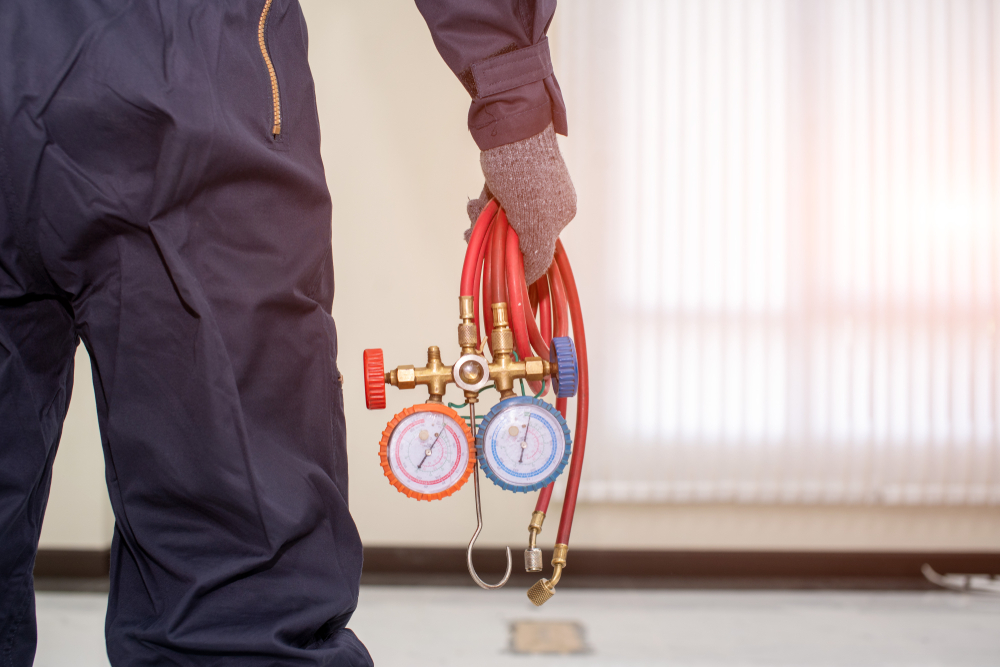
You settle in for the night, the house gets quiet, and suddenly your HVAC system seems unusually busy. It starts, stops, and starts again, sometimes often enough to disturb your sleep. For homeowners in Staten Island, that repeated cycling can be especially noticeable during humid summer nights and changeable spring or fall weather.
In many cases, an HVAC system that repeatedly turns on and off is experiencing short cycling, meaning a heating or cooling cycle ends before the system has operated normally. A dirty filter, thermostat problem, airflow restriction, electrical issue, oversized equipment, or equipment malfunction can all contribute. Occasional cycling is normal, but frequent starts and stops deserve attention, especially when indoor comfort is also changing.
What Staten Island Homeowners Should Know
- Frequent cycling can increase wear because HVAC components repeatedly go through startup instead of completing normal operating cycles.
- Humid Staten Island summer nights can make short cooling cycles more noticeable because the system may struggle to provide consistent temperature and humidity control.
- Homes across the North Shore, South Shore, and older neighborhoods may have different ductwork, insulation, equipment, and thermostat setups that affect cycling.
- A homeowner can safely check basic items such as thermostat settings and accessible air filters, but electrical and refrigeration problems should be professionally diagnosed.
- If the system shuts down within minutes, repeatedly trips a breaker, freezes up, or cannot maintain temperature, it is time to have the equipment inspected.
Why Does Short Cycling Matter in Staten Island?
Short cycling matters in Staten Island because repeated HVAC starts and stops can reduce comfort, interfere with humidity control, increase equipment wear, and indicate a problem that may become more disruptive during extreme weather. The underlying cause can range from a simple maintenance issue to a component or system-sizing problem.
Local conditions can make the symptoms particularly noticeable. Summer weather around Richmond County can bring heat and humidity, while spring and fall can shift between warmer afternoons and cooler nights. Those changes affect how frequently heating and cooling equipment needs to operate.
Housing also varies considerably across the borough. A detached home in Tottenville may have a very different HVAC layout from a property near St. George or an older home on the North Shore.
At AFCO Heating & Air Conditioning, we help local property owners identify HVAC problems and determine the appropriate next step based on what the system is actually doing.
What Do We Typically Look for When an HVAC System Short Cycles?
When an HVAC system short cycles, the important first step is determining whether the shutdown is being caused by temperature control, restricted airflow, equipment protection, an electrical problem, or another operating condition. The timing and pattern of the cycling can provide useful clues before individual components are tested.
A system that runs briefly and stops may point toward a different problem than one that operates normally for a while before repeatedly restarting. We also consider whether the problem happens only at night, only during cooling, only during heating, or whenever the equipment operates.
For Staten Island homes, we also pay attention to factors such as equipment location, duct configuration, thermostat placement, humidity, and the condition of the existing HVAC setup. These are professional field observations rather than a claim that every local property will experience the same problem.
How Can Repeated Cycling Affect Your Home?
Repeated cycling can affect comfort by creating uneven temperatures, inconsistent airflow, and poor humidity control while also placing additional startup stress on HVAC components. If the system is shutting down before completing normal cycles, homeowners may notice that certain rooms never become as comfortable as expected.
During humid weather, short cooling cycles can be particularly frustrating. Air conditioning does more than lower indoor temperature. Proper operation also helps remove moisture from indoor air. If cycles repeatedly end too soon, the home may feel clammy even when the thermostat temperature appears reasonable.
Residents in areas such as Great Kills, New Dorp, and the South Shore may also notice cycling more clearly at night simply because the home is quieter and outdoor temperatures are changing.
What Are the Warning Signs of HVAC Short Cycling?
The clearest warning sign of HVAC short cycling is a system that repeatedly starts and stops without completing what appears to be a normal heating or cooling cycle. Other symptoms can help determine whether you are dealing with normal thermostat operation or a problem requiring service.
Watch for:
- The heating or cooling system shutting off only a few minutes after starting.
- The system restarting repeatedly throughout the night.
- Rooms remaining uncomfortable even though the equipment runs frequently.
- Weak or inconsistent airflow from supply vents.
- Ice or frost appearing on accessible portions of the cooling system.
- Unusual clicking, buzzing, or other new equipment noises.
- A circuit breaker that trips repeatedly.
- Indoor humidity that remains uncomfortable during cooling season.
A single unusual cycle is not necessarily a problem. A consistent pattern is more useful when deciding whether service is needed.
When Should You Call an HVAC Professional?
You should call an HVAC professional when frequent cycling continues after basic thermostat and filter checks, or when the system cannot maintain temperature, freezes, makes unusual noises, or experiences electrical problems. Continuing to reset equipment without finding the cause can allow an underlying problem to persist.
Homeowners can safely confirm that the thermostat is set correctly and inspect a readily accessible filter. You can also make sure supply and return vents have not been unintentionally blocked.
Professional diagnosis is appropriate when troubleshooting requires opening equipment, testing electrical components, checking refrigerant-related conditions, or evaluating internal controls.
That distinction matters during Staten Island’s hottest and coldest stretches, when losing reliable HVAC operation can quickly turn a manageable problem into a much larger comfort issue.
What Commonly Causes an HVAC System to Turn On and Off?
Common causes of repeated HVAC cycling include thermostat problems, dirty filters, restricted airflow, equipment protection controls, electrical faults, frozen coils, and equipment that is not properly matched to the home’s needs. The cycling pattern alone cannot confirm which cause is responsible, so proper diagnosis matters.
1. Dirty or restricted air filters: A heavily loaded filter can restrict airflow. Depending on the system and operating conditions, airflow problems can contribute to overheating or freezing and may cause protective controls to shut equipment down.
2. Thermostat issues: A poorly located, incorrectly configured, or malfunctioning thermostat can cause inconsistent cycling. A thermostat exposed to unusual temperature changes may not accurately represent conditions throughout the home.
3. Blocked airflow: Closed vents, obstructed returns, duct problems, or dirty components can interfere with normal operation.
4. Frozen cooling equipment: Airflow or refrigeration-related problems can contribute to coil icing. If you see ice, simply continuing to run the system is not a good solution.
5. Electrical or control problems: Relays, switches, wiring, sensors, and other controls can affect when equipment starts and stops.
6. System sizing: Equipment that is too large for the space can reach the thermostat setting quickly and shut off before providing longer, steadier cycles. Confirming a sizing issue requires more than looking at the equipment’s age or capacity label.
How Can Staten Island Homeowners Help Prevent Short Cycling?
Staten Island homeowners can reduce avoidable cycling problems by keeping filters and vents clear, maintaining reasonable thermostat settings, scheduling appropriate HVAC maintenance, and addressing unusual operating patterns early. Seasonal checks are especially useful before periods when heating or cooling equipment will be running regularly.
Check the filter according to the equipment and filter manufacturer’s recommendations, and replace or clean it when necessary. Keep furniture, rugs, storage, and other objects away from accessible supply and return vents.
Before summer cooling demand rises across Richmond County, pay attention to whether the system reaches the thermostat setting normally. Before heating season, listen for new startup noises and watch for unusually brief cycles.
DIY maintenance should stop before electrical panels, refrigerant circuits, burners, internal safety controls, or other technical components need to be opened or tested.
What Results Can You Expect After the Cause Is Corrected?
Once the actual cause of short cycling is corrected, homeowners can generally expect the system to return to operation that is more consistent with its design and current heating or cooling demand. The exact improvement depends on whether the problem involves maintenance, controls, airflow, a failed component, or system design.
A repaired airflow or control problem may restore more normal cycling. If equipment sizing or duct design is contributing, the appropriate solution may involve a broader evaluation rather than a single component replacement.
The goal is not to make an HVAC system run constantly. It is to help it operate normally for the conditions inside and outside the home.
What Mistakes Should You Avoid?
The biggest mistake is repeatedly resetting or adjusting the system without determining why it keeps shutting down. That approach can temporarily change the symptoms without addressing the cause.
Mistake: Lowering the thermostat dramatically because the house feels warm.
Consequence: A lower setting does not correct an airflow, electrical, or equipment problem.
Better approach: Check basic settings and arrange diagnosis if normal comfort does not return.
Mistake: Ignoring a visibly frozen component.
Consequence: Continued operation may not resolve the condition causing the ice.
Better approach: Stop treating the ice as the problem itself and have the cause evaluated.
Mistake: Repeatedly resetting a tripped breaker.
Consequence: A recurring trip can indicate an electrical or equipment issue.
Better approach: Have repeated electrical shutdowns professionally investigated.
What Is a Common Local Short-Cycling Scenario?
A common Staten Island scenario is an air conditioner that appears to cool normally during part of the day but begins cycling frequently at night while indoor comfort becomes inconsistent. The homeowner may assume the changing outdoor temperature is solely responsible, even though another system condition could be contributing.
For example, changing nighttime temperatures may expose an existing thermostat, airflow, or control issue that was less obvious during daytime operation. The correct response is to evaluate the cycling pattern and system rather than assuming one cause.
This is a representative local scenario, not a specific customer case study.
Which HVAC Services Can Address Frequent Cycling?
HVAC inspection, maintenance, airflow evaluation, thermostat troubleshooting, repair, and system assessment can all help address frequent cycling, depending on its cause. The right service begins with diagnosis rather than automatically replacing a particular component.
We can evaluate operating behavior and help determine whether maintenance, repair, control adjustments, or a broader system solution should be considered.
Should You Troubleshoot the Problem Yourself or Schedule Service?
Basic homeowner troubleshooting is appropriate for thermostat settings, accessible filters, and obvious vent obstructions, while repeated shutdowns and technical equipment problems should be professionally evaluated. The dividing line is whether the check can be completed safely without opening equipment or working with electrical, refrigeration, or combustion components.
A filter check may take only a few minutes. A recurring breaker trip, frozen coil, internal control problem, or suspected equipment-sizing issue requires a different level of diagnosis.
If your Staten Island HVAC system continues cycling after the simple checks, professional troubleshooting can help separate the symptom from the actual cause.
Where Do We Help Local Property Owners?
We serve homeowners seeking HVAC help in Staten Island and can address heating and cooling concerns across local communities within our service area. Properties around the North Shore, South Shore, and neighborhoods such as New Dorp, Great Kills, and Tottenville can have different equipment configurations and comfort challenges.
What Can Happen If You Ignore Frequent Cycling?
Ignoring persistent short cycling can allow an unresolved HVAC problem to continue while contributing to inconsistent comfort and additional equipment wear. The potential consequences depend on the cause, which is why recurring cycling is more useful as a warning sign than as a diagnosis by itself.
A clogged filter is a different problem from an electrical fault, frozen coil, or improperly sized system. Waiting until the equipment stops operating altogether can also leave fewer scheduling options during periods of high local heating or cooling demand.
Frequently Asked Questions
Is it normal for my HVAC system to turn on and off at night in Staten Island?
Some cycling is completely normal because HVAC systems start and stop as indoor conditions change. The concern is unusually frequent cycling, particularly when individual cycles last only a short time or the home no longer maintains comfortable conditions. Persistent changes from your system’s usual operating pattern are worth investigating.
Why does my Staten Island AC run for only a few minutes?
An air conditioner that repeatedly runs for only a few minutes may have a thermostat, airflow, control, refrigeration, or equipment-sizing issue. A dirty filter is one basic item homeowners can check safely, but very short cycles that continue after simple checks should be professionally diagnosed.
Can Staten Island humidity affect how my AC feels at night?
Yes, humid conditions can affect nighttime indoor comfort because air conditioning helps control both temperature and moisture. If cooling cycles are unusually short, the house may reach the thermostat setting without providing the longer operation needed for effective moisture removal under some conditions.
Can a dirty filter cause short cycling?
Yes, a sufficiently dirty filter can restrict airflow and contribute to operating problems that may result in equipment shutting down prematurely. Check an accessible filter and replace or clean it when appropriate for that filter type. If cycling continues afterward, do not assume the filter was the only problem.
Why does my HVAC system short cycle only at night?
Night-only cycling can be related to changing outdoor temperatures, thermostat conditions, heating or cooling demand, or an existing equipment problem that becomes more noticeable overnight. Because several factors can create similar symptoms, recording when the system starts and stops can provide useful information during diagnosis.
Do older Staten Island homes have more HVAC cycling problems?
An older home is not automatically more likely to short cycle, but its HVAC layout may include older ductwork, insulation, controls, or equipment that affects performance. Properties across established Richmond County neighborhoods vary considerably, so the home’s age alone should not be used to diagnose the cause.
Should I turn my AC off if I see ice?
Yes, continuing normal cooling operation when visible ice is present is generally not the way to solve the problem. Restricted airflow and refrigeration-related conditions are among the possible causes. Avoid attempting technical repairs yourself, and arrange an HVAC evaluation if icing occurs.
How quickly should I address repeated HVAC cycling?
Repeated cycling should be addressed promptly when it continues, affects comfort, causes freezing, produces unusual noises, or involves recurring electrical shutdowns. You can begin with safe checks such as the thermostat and filter, but persistent symptoms are a reason to schedule professional diagnosis rather than repeatedly resetting the equipment.
Get More Consistent Comfort in Your Staten Island Home
Frequent starting and stopping is often your HVAC system’s way of showing that something about its operation deserves attention. We can help identify the source of the cycling and explain the available options so you can make an informed decision about your home’s heating and cooling system.