

Your HVAC system can be running almost nonstop while certain rooms still feel too warm, too cold, or strangely stuffy. For Staten Island homeowners dealing with humid summers, cold winters, and homes with ductwork squeezed into tight spaces, the problem may not be the heating or cooling equipment itself. It may be excessive static pressure.
Quick answer: Static pressure is the resistance your HVAC blower must overcome to move air through the duct system. When resistance becomes too high because of restrictive filters, undersized ducts, closed vents, dirty coils, or other airflow problems, your system may deliver less conditioned air while working harder. The result can be uneven temperatures, excessive noise, longer run times, increased equipment wear, and poor overall comfort.
What local homeowners should know
-
High static pressure is an airflow problem that can affect both heating and cooling performance.
-
Staten Island homes with older or modified duct systems may have restrictions that are not obvious from looking at the HVAC equipment.
-
A dirty filter can contribute to excessive resistance, but replacing the filter does not solve every static pressure problem.
-
Hot, humid summer weather can make airflow deficiencies much more noticeable because cooling systems face sustained demand.
-
Static pressure can be measured by an HVAC professional rather than diagnosed by guesswork.
Why Does Static Pressure Matter in Staten Island Homes?
Static pressure matters in Staten Island because your HVAC system depends on adequate airflow to distribute heating and cooling throughout the house, and excessive resistance interferes with that process. During periods of high heat and humidity or prolonged winter heating demand, an airflow restriction can become especially noticeable through uncomfortable rooms, noise, and extended system operation.
Con Edison reported significant heat, humidity, and air-conditioning demand during the July 2026 heat wave, including outages affecting Staten Island. That is a reminder of how heavily local homes can depend on cooling during extreme summer conditions.
Homes across neighborhoods such as Great Kills, Tottenville, New Dorp, West Brighton, Port Richmond, and Eltingville also vary considerably in age, layout, additions, and HVAC configuration. A duct system that has been altered over the years may not distribute airflow as effectively as the equipment requires.
AFCO Heating & Air Conditioning helps local homeowners identify HVAC performance problems, including airflow issues that can interfere with comfort. When we evaluate an airflow complaint, the goal is to determine why conditioned air is not reaching the home properly rather than assuming the equipment itself is the only problem.
What Does High Static Pressure Do to Your HVAC System?
High static pressure forces the HVAC blower to operate against greater resistance, which can reduce airflow and contribute to noise, inefficient operation, and additional stress on system components. Depending on the equipment and cause of the restriction, poor airflow can also interfere with proper heat transfer at the indoor coil.
The U.S. Department of Energy notes that clogged filters can dramatically reduce airflow while increasing furnace run time, motor wear, and energy consumption. ENERGY STAR guidance also associates excessive pressure drop with fan noise, vibration, duct leakage, and mechanical wear.
For a Staten Island homeowner, the practical result may be familiar: the thermostat says the system is running, but an upstairs bedroom remains uncomfortable or one side of the house receives noticeably weaker airflow.
What Are the Warning Signs of Excessive Static Pressure?
Warning signs of excessive static pressure include weak airflow, unusually loud vents, uneven temperatures, long HVAC cycles, and filters that behave abnormally. These symptoms do not prove that static pressure is the cause, but several appearing together can justify having the airflow and duct system professionally evaluated.
Watch for:
-
Weak airflow from multiple supply registers
-
Bedrooms that remain noticeably warmer or colder than the thermostat area
-
Whistling, rushing, or unusually loud airflow at vents
-
A return grille that sounds excessively loud when the system starts
-
HVAC cycles that seem unusually long
-
Filters that become dirty unusually quickly
-
Filters that bend, bow, or appear to be pulled toward the blower
-
Cooling coils that freeze or develop recurring airflow-related problems
In a multi-level Staten Island home, temperature differences between floors can have several causes. Static pressure and duct design are two possibilities worth investigating rather than simply lowering the thermostat.
When Should You Call an HVAC Professional?
You should call an HVAC professional when weak airflow, uneven temperatures, excessive vent noise, recurring frozen coils, or persistent comfort problems continue after basic homeowner checks. Static pressure is measured with specialized instruments, and interpreting those measurements correctly requires considering the equipment specifications, blower operation, filter, coil, and duct system together.
Homeowners can safely check whether registers are open and whether the filter needs replacement. Beyond those steps, avoid modifying ductwork or increasing blower settings without knowing why the airflow problem exists.
Professional static pressure testing uses pressure measurements to evaluate how difficult it is for the blower to move air through the system. ENERGY STAR technical guidance identifies static pressure measurement as a tool for evaluating system airflow and interpreting equipment performance.
What Commonly Causes High Static Pressure?
High static pressure is commonly caused by restrictive filters, inadequate return airflow, undersized or restricted ducts, dirty HVAC components, and closed or blocked registers. In Staten Island homes, renovations, additions, finished spaces, and older duct layouts can also create airflow problems when the distribution system no longer matches how the house is being used.
Common causes include:
-
Dirty or restrictive filters: A loaded filter makes it harder for the blower to pull return air through the system.
-
Undersized return ducts: The system may struggle to receive enough air even when supply ducts are adequate.
-
Restricted supply ductwork: Small ducts, sharp bends, damaged sections, or poorly configured branches increase resistance.
-
Dirty indoor coils: Accumulated debris can restrict airflow through the equipment.
-
Closed registers: Closing multiple vents can increase resistance rather than effectively redirecting conditioned air.
-
Renovations and additions: A finished basement, converted attic, extension, or reconfigured room may change the airflow needs of the house.
How Can Staten Island Homeowners Prevent Airflow Problems?
Staten Island homeowners can reduce airflow problems by keeping filters maintained, leaving supply and return openings unobstructed, scheduling routine HVAC maintenance, and addressing persistent comfort problems before peak heating or cooling season. These steps cannot correct undersized ductwork, but they can prevent avoidable restrictions from making an existing airflow problem worse.
Check filters regularly, particularly during periods of heavy summer cooling or winter heating. Use the filter type appropriate for your system rather than assuming that the highest available filtration rating is automatically best. The Department of Energy warns that a high-MERV filter installed in a system not designed for its resistance can increase static pressure and reduce airflow.
Spring is also a practical time to investigate weak cooling airflow before Richmond County temperatures and humidity increase.
What Results Can You Expect After Correcting Static Pressure?
Correcting excessive static pressure can improve airflow, reduce certain HVAC noises, create more consistent temperatures, and allow properly functioning equipment to operate closer to its intended airflow conditions. The exact improvement depends on whether the restriction comes from a filter, coil, duct configuration, return-air problem, equipment setup, or a combination of issues.
Some corrections may be relatively straightforward, such as replacing an inappropriate filter. Others can require duct modifications, additional return-air capacity, cleaning, repairs, or adjustments based on equipment specifications.
The objective is not simply to produce the lowest possible pressure reading. It is to get airflow and pressure into the appropriate range for the specific HVAC system.
What Mistakes Make Static Pressure Problems Worse?
The biggest static pressure mistakes involve trying to force more comfort from an airflow-restricted system without identifying the restriction first. In Staten Island homes, repeatedly lowering the thermostat, closing vents, or installing a more restrictive filter can mask the underlying problem while leaving rooms uncomfortable.
Mistake: Closing vents in unused rooms.
Consequence: This can increase resistance in the supply system.
Better approach: Have airflow distribution evaluated if specific rooms consistently receive too much or too little air.
Mistake: Buying the most restrictive filter available.
Consequence: The filter may create more pressure drop than the system can comfortably handle.
Better approach: Use filtration appropriate for the equipment and filter cabinet.
Mistake: Assuming the HVAC unit is undersized.
Consequence: Replacing equipment may not correct poorly designed or restricted ductwork.
Better approach: Evaluate airflow and duct conditions as part of the comfort diagnosis.
What Is a Common Staten Island Static Pressure Scenario?
A common Staten Island static pressure scenario is a multi-level home where the central HVAC system runs for long periods, the main living area reaches the thermostat setting, and upstairs bedrooms remain uncomfortable. The homeowner may initially assume the air conditioner needs replacement, even though restricted airflow or an inadequate duct layout could be contributing.
This is a general local scenario, not a specific AFCO Heating & Air Conditioning customer case.
Testing can help separate equipment-capacity concerns from airflow problems so homeowners can make decisions based on measurements rather than assumptions.
What HVAC Services Can Address Static Pressure Problems?
HVAC services that can address static pressure problems include airflow testing, system inspection, filter evaluation, coil inspection, ductwork assessment, maintenance, and appropriate duct or equipment corrections. The right solution depends on where resistance occurs and whether the HVAC equipment and air-distribution system are properly matched.
We can evaluate the system as a whole when comfort problems point toward an airflow issue.
Should You Fix Static Pressure Yourself or Call a Professional?
Homeowners can handle basic checks such as replacing a dirty filter and making sure registers and return grilles are not blocked, but diagnosing static pressure itself should generally be left to an HVAC professional. Measuring pressure at appropriate points and comparing those readings with equipment specifications provides information that a visual inspection alone cannot.
If a clean filter and open vents do not improve comfort, continued DIY adjustments can create new problems. Changing blower settings, cutting into ducts, or adding vents without understanding the system’s airflow requirements can make distribution worse.
What Areas Do We Serve?
Our local HVAC work supports homeowners in Staten Island and surrounding communities across the borough. Residents in areas such as Great Kills, New Dorp, Eltingville, West Brighton, Port Richmond, and Tottenville can experience airflow problems for different reasons depending on their home’s layout and HVAC configuration.
Local housing differences are one reason airflow problems should be diagnosed individually rather than treated with a one-size-fits-all solution.
What Can Happen If You Ignore High Static Pressure?
Ignoring excessive static pressure can leave a Staten Island home with persistent temperature differences, poor airflow, longer HVAC operation, additional blower strain, and recurring comfort complaints. If the underlying cause also affects coil airflow or duct leakage, waiting can allow a relatively focused airflow problem to contribute to larger HVAC performance issues.
High static pressure does not automatically mean an HVAC system is about to fail. It does mean the blower is encountering resistance that deserves investigation, particularly when the home is already showing symptoms.
FAQ
What is normal static pressure for an HVAC system?
Normal static pressure depends on the specific HVAC equipment and its manufacturer specifications. A technician should measure total external static pressure and interpret the result using the equipment’s rated limits and blower performance information. A single universal pressure number should not be applied to every furnace, air handler, or duct system.
Can a dirty filter cause high static pressure in Staten Island homes?
Yes, a dirty filter can increase resistance and reduce airflow in a Staten Island HVAC system. The effect can become particularly noticeable during extended summer cooling periods when the blower operates frequently. Replacing a dirty filter is a sensible first step, but persistent symptoms may indicate restrictions elsewhere in the system.
Can a high-MERV filter cause an airflow problem?
Yes, some high-efficiency filters can create excessive pressure drop when the filter cabinet or HVAC system is not designed to accommodate them. Filtration should be selected with both air quality and airflow in mind. A larger properly designed filter can sometimes provide better filtration without creating the same level of restriction.
Why is my upstairs hotter than downstairs in Staten Island?
An upstairs area can be hotter because of heat gain, duct design, insulation, air leakage, airflow imbalance, or HVAC performance issues. High static pressure may contribute if inadequate airflow prevents enough conditioned air from reaching upper rooms. Testing is the best way to determine whether airflow is part of the problem.
Does Staten Island summer humidity make airflow problems worse?
Summer humidity does not necessarily create high static pressure, but hot and humid weather can expose existing airflow deficiencies because the cooling system operates under heavier demand. Con Edison specifically cited heat, humidity, and increased air-conditioning demand during the region’s July 2026 heat wave.
Will adding another return vent solve high static pressure?
Adding return capacity can help when inadequate return airflow is actually the restriction, but another return vent is not automatically the correct solution. The problem could instead be the filter, coil, supply ductwork, equipment setup, or another component. Pressure testing helps identify where excessive resistance occurs before modifications are made.
Can static pressure increase my Staten Island electric use?
Excessive static pressure can contribute to unnecessary HVAC energy use depending on the system and blower type because restricted airflow may affect performance or require the fan to work harder. Con Edison provides electric service to Staten Island, where it reports serving more than 172,000 residential and commercial electric customers.
How is HVAC static pressure tested?
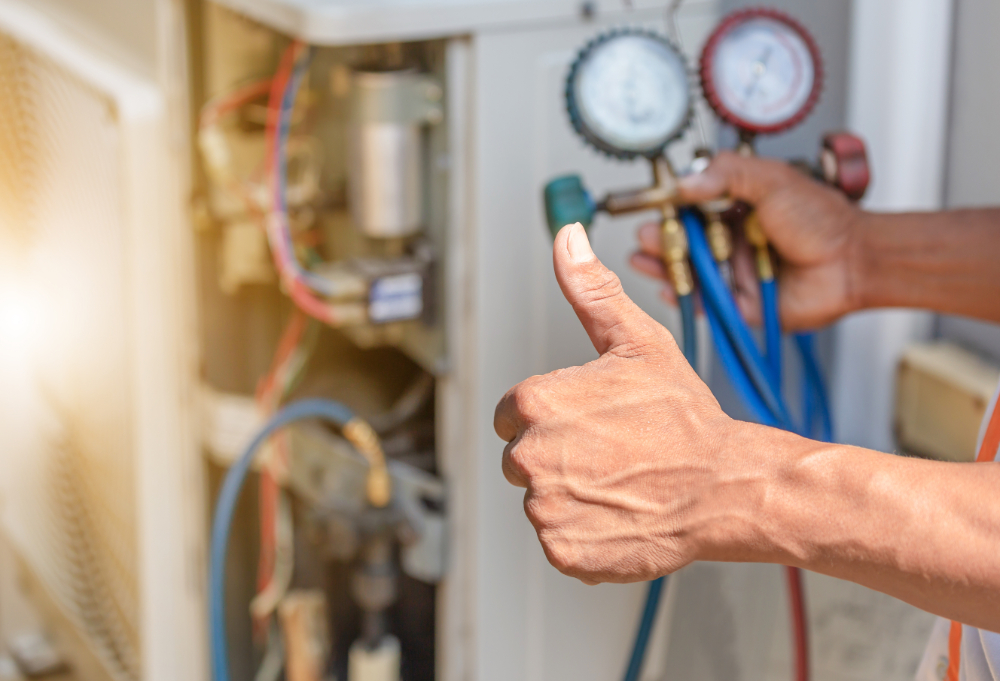
HVAC static pressure is tested using a manometer and pressure probes placed at appropriate locations in the air-distribution system. The readings help a technician evaluate resistance through the system and individual components. Those measurements should then be interpreted alongside manufacturer specifications, blower settings, filter condition, coil condition, and duct configuration.
Restore Comfortable Airflow in Your Staten Island Home
Static pressure is easy to overlook because you cannot see it, but you can often feel the effects when an HVAC system struggles to distribute air properly. Finding the restriction can help turn a frustrating comfort problem into a measurable HVAC issue with clear options for correction.
Get Your Home Comfort Back on Track
We can evaluate airflow concerns and help determine what may be keeping your Staten Island HVAC system from distributing heating and cooling effectively.