

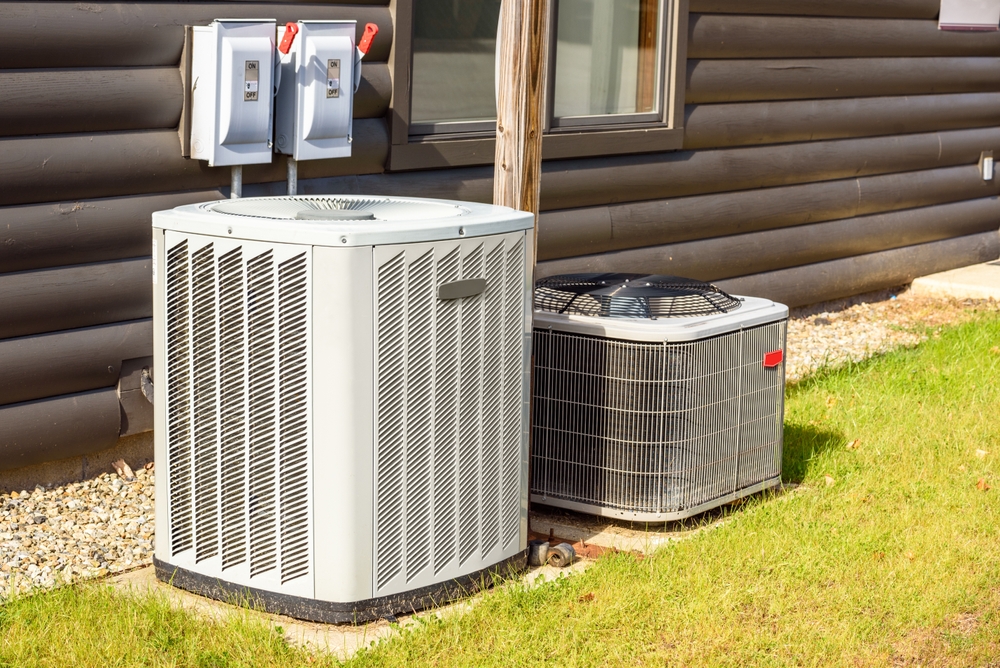
Living near the water comes with plenty of advantages, but salt air can be tough on outdoor HVAC equipment. For homeowners in Staten Island neighborhoods near the shoreline, airborne salt, humidity, rain, and seasonal storms can gradually attack the metal components of an outdoor air conditioning unit.
The good news is that routine inspection, careful cleaning, proper placement, and professional maintenance can help reduce corrosion and catch damage before it affects cooling performance.
Quick answer: Protecting an outdoor AC unit from salt air corrosion starts with keeping the condenser coil and cabinet clean, removing salt deposits before they build up, maintaining proper airflow around the equipment, and having corrosion checked during routine HVAC service. Homes closer to Lower New York Bay, Raritan Bay, the Arthur Kill, and other waterfront areas may need more frequent attention because outdoor equipment is exposed to a harsher marine environment.
What local homeowners should know
-
Salt carried through humid coastal air can settle on condenser coils, fasteners, cabinets, and other exposed metal surfaces.
-
Homes in areas such as Tottenville, Great Kills, Midland Beach, and South Beach may experience greater marine exposure depending on their proximity to open water and prevailing weather.
-
Washing away surface salt can help, but high-pressure spraying can damage delicate condenser fins.
-
Visible rust on the cabinet does not always show the full extent of corrosion because coils and internal components may also be affected.
-
Regular HVAC inspections give homeowners a chance to address developing corrosion before it contributes to larger equipment problems.
Why Salt Air Corrosion Matters in Staten Island
Salt air corrosion matters in Staten Island because outdoor AC equipment operates in a humid coastal environment where airborne salt and moisture can accelerate deterioration of exposed metal. Over time, corrosion can affect condenser coils, cabinet panels, screws, electrical connections, and other components that need to remain in good condition for reliable cooling.
The borough is surrounded by waterways, including Lower New York Bay, Raritan Bay, the Arthur Kill, and the Kill Van Kull. Exposure varies considerably from one property to another. A home near the South Shore waterfront may face different conditions from a more sheltered property farther inland.
Older housing, limited side-yard space, fences, landscaping, and closely spaced buildings can also influence airflow around an outdoor condenser.
AFCO Heating & Air Conditioning helps local homeowners maintain cooling systems in these conditions. After identifying corrosion or buildup, we can explain which components need attention and whether cleaning, maintenance, repair, or another solution makes sense.
Local Data or Field Observations
Coastal HVAC corrosion is best evaluated at the individual property because salt exposure can change substantially based on distance from the shoreline, wind exposure, equipment placement, and surrounding structures. A condenser located on an exposed side of a house can experience different conditions from one protected by the building itself.
For local homeowners, several property-specific details are worth paying attention to:
-
How close the condenser is to a bay, beach, marsh, or other waterfront area
-
Whether prevailing winds frequently blow toward the unit
-
Whether fences or vegetation restrict airflow
-
Whether the equipment remains damp for extended periods
-
Whether salt-like residue or oxidation repeatedly appears on metal surfaces
These observations do not replace an HVAC inspection, but they can help determine whether a system deserves more frequent monitoring.
How Corrosion Can Affect Your AC System
Corrosion can affect an AC system by weakening metal surfaces, damaging coil fins, deteriorating connections, and making heat transfer or mechanical operation more difficult over time. The result may be reduced reliability, more frequent repairs, or premature deterioration of expensive outdoor components.
The condenser coil releases heat from your home into the outdoor air. When its fins are damaged, heavily oxidized, clogged, or deteriorating, the system may have a harder time performing as intended.
Corrosion can also make routine service more complicated. Screws, panels, brackets, and electrical components exposed to repeated moisture and salt may become increasingly difficult to service as deterioration progresses.
For homeowners near Great Kills Harbor, Prince’s Bay, or the eastern shoreline, watching for these changes is especially worthwhile.
Warning Signs of Salt Air Damage
Common warning signs of salt air damage include visible rust, white or greenish oxidation, deteriorating coil fins, unusual residue, damaged cabinet surfaces, and declining cooling performance. Homeowners should inspect the outdoor unit periodically without opening electrical panels or attempting internal repairs.
Watch for:
-
Rust forming on cabinet panels, screws, brackets, or the base of the unit
-
White, chalky, or crusty deposits on metal surfaces
-
Greenish discoloration around copper-containing components
-
Condenser fins that look brittle, deteriorated, or unusually fragile
-
Peeling or bubbling protective coatings
-
Repeated salt or grime buildup soon after cleaning
-
New noises or changes in normal system operation
-
Cooling performance that seems to be declining
Visible corrosion does not automatically mean the system needs replacement, but it is a reason to have the equipment evaluated.
When to Call an HVAC Professional
Call an HVAC professional when corrosion reaches the coil, electrical components, refrigerant-related parts, structural supports, or any area that requires opening the equipment. Homeowners can safely monitor the exterior and keep the surrounding area clear, but internal repairs and electrical work should be left to trained HVAC professionals.
A professional evaluation is also appropriate when you notice significant rust, recurring oxidation, damaged condenser fins, worsening cooling performance, or unusual operation.
Properties near the Staten Island shoreline may benefit from having corrosion specifically checked during routine maintenance rather than waiting until a cooling problem develops during hot weather.
Common Causes of Outdoor AC Corrosion
The most common local causes of outdoor AC corrosion are salt exposure, persistent humidity, trapped debris, moisture, restricted airflow, and inadequate maintenance. Several of these factors can occur together around coastal homes.
1. Airborne salt
Salt particles can travel inland from surrounding waterways and settle on outdoor equipment. Once combined with moisture, those deposits can contribute to corrosion.
2. High humidity
Warm, humid summer weather keeps outdoor surfaces damp longer and can create favorable conditions for oxidation.
3. Rain and coastal storms
Wind-driven rain can expose equipment to repeated moisture while also carrying salt and debris onto condenser surfaces.
4. Leaves and yard debris
Debris trapped against the cabinet or coil can hold moisture against metal components.
5. Restricted airflow
Shrubs, fences, stored items, and dense vegetation around the condenser can interfere with airflow and may keep the area damp.
6. Delayed maintenance
Small areas of corrosion are easier to address when identified early. Years of buildup or deterioration can make the problem more difficult to manage.
How to Prevent Salt Air Corrosion
The best way to prevent salt air corrosion is to remove deposits regularly, maintain clear airflow around the condenser, inspect exposed surfaces, and include corrosion checks in professional AC maintenance. Prevention is especially valuable for homes in waterfront and South Shore neighborhoods.
Homeowners can take several practical steps.
Keep leaves, weeds, grass clippings, and other debris away from the unit. Make sure landscaping does not crowd the condenser or obstruct airflow.
Visually inspect the cabinet and accessible coil surfaces every few weeks during cooling season. Look for rust, mineral-like buildup, damaged fins, or peeling finishes.
If the equipment manufacturer permits routine exterior rinsing, use gentle water pressure rather than a pressure washer. High-pressure water can bend condenser fins and cause damage.
Avoid wrapping an operating condenser or installing barriers too close to it. Airflow is essential whenever the AC is running.
Have the system professionally maintained so areas that are not safely accessible to a homeowner can be inspected.
What Results Can You Expect From Preventive Maintenance?
Preventive maintenance can help keep the condenser cleaner, identify corrosion earlier, preserve proper airflow, and reduce the chance that small maintenance issues remain unnoticed. It cannot make outdoor equipment immune to the coastal environment, but consistent care can reduce avoidable deterioration.
For a relatively clean system with minor surface buildup, maintenance may simply involve cleaning and monitoring.
If corrosion has already damaged coils, connections, panels, or other components, additional repair may be necessary. The right response depends on how extensive the damage is and the age and condition of the equipment.
Common Mistakes Coastal Homeowners Make
The most common mistakes are ignoring early rust, using aggressive cleaning methods, blocking condenser airflow, and assuming the outdoor unit only needs attention when cooling stops. A better approach is to treat corrosion prevention as part of normal seasonal AC care.
Mistake: Using a pressure washer on the condenser.
Consequence: High pressure can bend delicate fins and potentially damage components.
Better approach: Use only manufacturer-appropriate cleaning methods or have the unit professionally cleaned.
Mistake: Letting shrubs grow tightly around the unit.
Consequence: Restricted airflow can interfere with cooling and keep moisture around the cabinet.
Better approach: Maintain adequate clearance around the condenser.
Mistake: Ignoring small rust spots.
Consequence: Surface deterioration may continue and can become harder to address later.
Better approach: Have recurring or spreading corrosion inspected.
Mistake: Covering the unit too tightly.
Consequence: Trapped moisture can work against the goal of protecting the equipment.
Better approach: Follow the equipment manufacturer’s recommendations regarding seasonal protection.
A Common Coastal Staten Island Scenario
A common coastal Staten Island scenario is an outdoor condenser that still cools the home normally but begins showing white residue, rusted fasteners, and oxidation after several seasons of shoreline exposure. Because the system is still operating, the homeowner may assume the changes are only cosmetic.
An HVAC inspection can determine whether corrosion is limited to exterior surfaces or whether coils, electrical connections, or other functional components are beginning to deteriorate.
Addressing the issue at this stage gives the homeowner more information and more options than waiting for a breakdown during peak summer weather.
Related HVAC Service Solutions
The most useful service solutions for salt-exposed AC equipment are seasonal maintenance, condenser cleaning, diagnostic inspection, targeted repairs, and replacement evaluation when deterioration becomes extensive. The correct service depends on the condition of the equipment rather than corrosion alone.
During service, we can evaluate accessible outdoor components, identify abnormal deterioration, check system operation, and discuss practical next steps.
DIY Maintenance vs. Professional HVAC Service
DIY maintenance is appropriate for basic visual checks and keeping the area around the condenser clean, while professional service is appropriate for internal inspection, electrical concerns, coil damage, refrigerant-system problems, or significant corrosion. Knowing the boundary helps protect both the equipment and the homeowner.
Homeowners can remove nearby leaves and debris, monitor visible surfaces, and keep landscaping under control.
A technician should handle damaged electrical connections, severe corrosion, refrigerant-related issues, internal component inspection, and repairs requiring cabinet disassembly.
For homes near coastal areas such as Tottenville and Midland Beach, combining simple homeowner monitoring with routine professional service offers a more complete approach.
Service Areas
Local AC corrosion prevention is particularly relevant for properties throughout Staten Island, especially neighborhoods with greater exposure to the borough’s surrounding waterways. We serve homeowners across the area, including South Shore, East Shore, North Shore, and Mid-Island communities.
Properties closer to Raritan Bay, Lower New York Bay, and other waterfront areas may require extra attention depending on their specific exposure.
What Happens If You Ignore AC Corrosion?
Ignoring AC corrosion can allow deterioration to spread until cleaning is no longer enough and damaged components require repair or replacement. Waiting can also make it harder to distinguish minor surface corrosion from problems that are beginning to affect system reliability.
An outdoor unit does not need to look new, but rapidly worsening rust, deteriorating coils, damaged connections, or declining performance should not be dismissed.
For coastal homeowners, catching these changes before the hottest part of summer can also reduce the risk of discovering a serious problem when the system is under heavier demand.
Frequently Asked Questions
Does salt air damage air conditioners in Staten Island?
Yes, salt air can contribute to corrosion of outdoor air conditioning equipment in Staten Island, particularly on properties with greater exposure to surrounding waterways. Salt deposits combined with moisture can affect metal cabinets, condenser coils, fasteners, and other exposed components. The amount of exposure depends heavily on the property’s location and equipment placement.
How often should I inspect an outdoor AC unit near the Staten Island waterfront?
A quick visual inspection every few weeks during cooling season can help homeowners notice new rust, buildup, debris, or vegetation around the unit. Professional maintenance can provide a more thorough inspection of components that homeowners should not access themselves. Properties with noticeable salt buildup may need closer monitoring.
Can I rinse salt off my AC condenser?
Gentle exterior rinsing may be appropriate when permitted by the equipment manufacturer’s instructions, but pressure washing should be avoided. Strong water pressure can bend condenser fins or damage equipment. If buildup is heavy, recurring, or located inside the unit, professional cleaning is the safer option.
Are Tottenville and Great Kills homes more vulnerable to AC corrosion?
Homes in waterfront areas such as Tottenville and Great Kills can experience greater marine exposure, although vulnerability varies by exact property location. Wind direction, distance from open water, landscaping, surrounding buildings, and condenser placement all influence how much salt and moisture reach outdoor HVAC equipment.
Should I cover my AC unit during the winter in Staten Island?
You should follow the manufacturer’s recommendations before covering an outdoor AC unit for winter. A tightly sealed or inappropriate cover can trap moisture and may contribute to corrosion. If seasonal protection is recommended for your equipment, use a method that does not create a moisture problem or damage the unit.
Does surface rust mean my AC needs to be replaced?
No, surface rust by itself does not automatically mean an AC system needs replacement. The important question is whether corrosion is cosmetic or has affected coils, structural components, electrical connections, or system operation. An HVAC inspection can help determine the extent of the damage and available options.
Can coastal corrosion reduce AC efficiency?
Corrosion can affect cooling performance if it damages condenser fins, coils, or other components involved in releasing heat outdoors. Minor cabinet rust may have little immediate effect, while more extensive deterioration can interfere with operation. A technician can evaluate whether observed corrosion is affecting system performance.
When is the best time for AC maintenance in Staten Island?
Spring is a practical time for AC maintenance in Staten Island because the system can be inspected before sustained summer cooling demand begins. Coastal homeowners may also want the outdoor unit checked after periods of heavy weather or whenever they notice new salt deposits, oxidation, rust, or physical deterioration.
Protect Your AC From Coastal Wear Before It Becomes a Bigger Problem
Salt air is part of living near Staten Island’s waterfront, but accelerated equipment deterioration does not have to go unnoticed. Regular visual checks, clean surroundings, appropriate maintenance, and timely professional inspections can help you understand how your outdoor AC unit is handling local coastal conditions.
Help Protect Your Cooling System From Staten Island’s Coastal Conditions
We can inspect your outdoor equipment, identify signs of corrosion, and explain practical maintenance or repair options based on the system’s actual condition.