

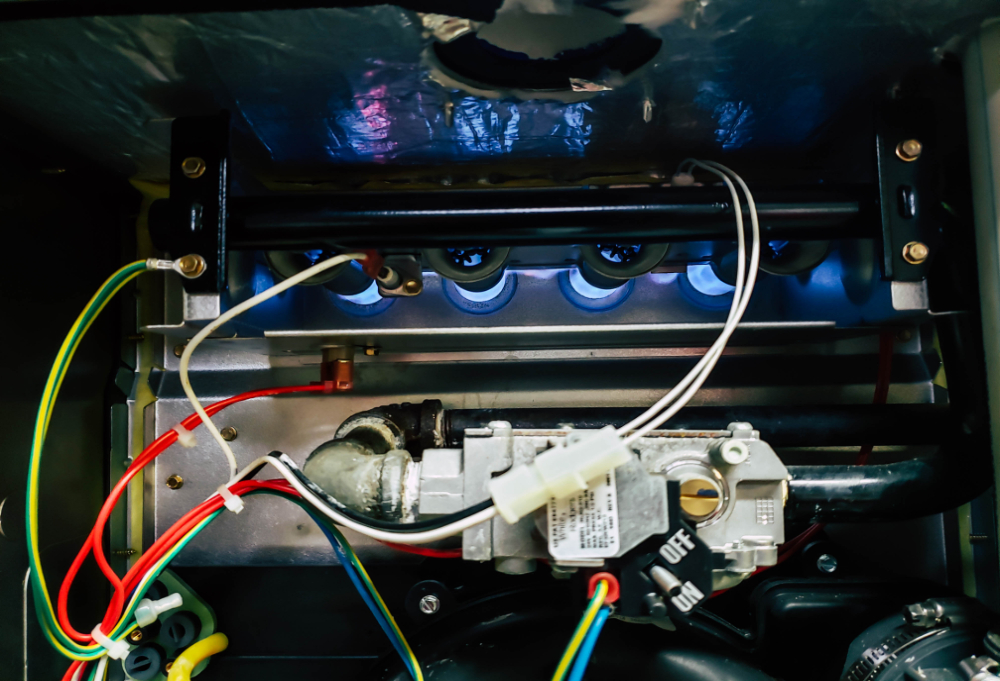
When your furnace keeps tripping the circuit breaker, it is not a problem you should ignore or simply reset your way through. That breaker is doing exactly what it was designed to do — protecting your home from an electrical fault that could cause serious damage or create a safety hazard. If your furnace is repeatedly shutting off power to its circuit, something is wrong, and that something deserves a closer look from a qualified professional.
At AFCO Heating & Air Conditioning, we have been helping Staten Island homeowners diagnose and repair furnace problems for over 25 years. We understand how disruptive a heating interruption can be, especially during the colder months when a reliable furnace is not a luxury — it is a necessity. In this article, we walk through the most common reasons a furnace trips a circuit breaker and explain why professional diagnostics are the safest and most effective way to get your heat back on.
What It Means When a Furnace Trips a Circuit Breaker
A circuit breaker is a safety switch that automatically cuts power when it detects that too much electrical current is flowing through a circuit. This can happen for a variety of reasons, some minor and some serious. When your furnace is the appliance triggering repeated breaker trips, it means the system is drawing more electrical current than the circuit is designed to handle, or there is an electrical fault somewhere in the equipment or wiring.
A single trip might occasionally result from a temporary power fluctuation. But if your furnace circuit breaker keeps tripping — meaning it happens more than once, or it trips again shortly after being reset — that is a clear signal that something is wrong with the furnace itself, the wiring connected to it, or the breaker. Continuing to reset the breaker without addressing the root cause can put your equipment and your home at risk.
If you notice a burning smell, see smoke, or observe any visible signs of electrical damage near your furnace or electrical panel, treat this as an urgent safety concern. Turn off the system and contact a professional immediately.
Common Reasons a Furnace Keeps Tripping the Breaker
Furnace electrical problems rarely have a single obvious cause. A thorough diagnosis by an experienced technician is the only reliable way to identify what is driving repeated breaker trips. That said, here are some of the issues our technicians most commonly find during furnace troubleshooting calls in Staten Island.
1. A Failing or Overloaded Blower Motor
The blower motor is responsible for moving heated air through your ductwork and into the living spaces of your home. It is one of the most electrically demanding components in your furnace. When a blower motor begins to wear out, its internal components can generate excessive electrical resistance, causing the motor to draw far more current than it normally would. This increased draw can exceed the capacity of the furnace’s circuit and trip the breaker.
Furnace blower motor problems can develop gradually over time. The motor may still run for a while before eventually failing completely, but the stress it places on the electrical system during that period can cause repeated breaker trips and potentially damage other components. This is one of the more common sources of furnace electrical problems we diagnose during heating repair calls across Staten Island.
2. A Dirty or Restricted Air Filter
This is one of the most straightforward contributing factors, but it is easy to overlook. When the air filter becomes heavily clogged with dust and debris, it restricts the flow of air through the system. The blower motor has to work significantly harder to pull air through the blockage, which increases its electrical demand. In some cases, this additional strain is enough to cause the furnace to trip the breaker.
Restricted airflow also leads to overheating inside the furnace cabinet, which can trigger additional safety mechanisms and compound the problem. While replacing a dirty filter is a straightforward maintenance task, if your furnace has already been tripping the breaker, a professional inspection is still recommended to confirm that no additional damage has occurred.
3. Furnace Overheating
Furnaces are equipped with high-limit switches that shut the system down when internal temperatures climb beyond a safe threshold. However, repeated overheating — often caused by restricted airflow, a malfunctioning component, or a heat exchanger issue — places significant stress on the furnace’s electrical components. Over time, this thermal stress can cause wiring insulation to degrade, electrical connections to loosen, and components to begin drawing irregular amounts of current.
Furnace overheating and electrical issues are closely connected. A system that overheats regularly is not just a comfort problem — it is an electrical problem as well. If your furnace has been short cycling, running longer than usual, or producing uneven heat in addition to tripping the breaker, these symptoms together suggest that overheating may be a contributing factor worth investigating.
4. Issues With the Furnace’s Internal Wiring or Electrical Connections
Over years of regular use, vibration, heat cycling, and normal wear can cause electrical connections inside the furnace to loosen or corrode. Damaged wiring insulation, loose terminal connections, or deteriorated internal wiring can all create conditions where the furnace draws irregular current or creates a partial short circuit. These issues are not visible from the outside of the unit and require professional diagnostics to identify safely.
Attempting to inspect live wiring or open electrical components without proper training and equipment is dangerous. This is not a situation where a homeowner should attempt their own investigation. A licensed HVAC technician has the tools and knowledge to safely assess the internal electrical condition of your furnace and identify any wiring-related issues that may be contributing to repeated breaker trips.
5. A Worn or Faulty Capacitor
Capacitors are small electrical components that help start and run the motors in your furnace. When a capacitor begins to fail, the motor it supports may struggle to start or run efficiently, causing it to draw a surge of electrical current that can trip the breaker. Capacitor problems often develop gradually and may cause intermittent issues before the component fails completely.
Because capacitors are electrical components that store a charge, they should only be handled by a qualified technician. Replacing a capacitor is a relatively common furnace repair, but it requires proper tools and safety procedures.
6. Problems With the Circuit Breaker Itself
While the furnace is often the source of the problem, it is worth noting that circuit breakers can also wear out over time. An aging or faulty breaker may trip more easily than it should, even when the furnace is operating within normal parameters. Identifying whether the issue lies with the furnace or the breaker is part of a thorough diagnostic process.
Homeowners should not attempt to replace or modify circuit breakers themselves. Electrical panel work requires a licensed electrician. If our technicians determine during a furnace inspection that the breaker itself may be faulty, we will advise you to contact a qualified electrician to evaluate the panel.
7. A Short Circuit Somewhere in the System
A short circuit occurs when electrical current travels along an unintended path, often because two wires that should not be in contact are touching, or because insulation has broken down. Short circuits can generate significant heat and represent a serious electrical safety concern. They are one of the more urgent reasons a furnace circuit breaker keeps tripping and should be investigated by a professional as promptly as possible.
If you notice any burning odor, discoloration near electrical connections, or smoke when your furnace attempts to run, these may indicate a short circuit condition. Do not attempt to operate the furnace and contact AFCO Heating & Air Conditioning right away.
Why Resetting the Breaker Is Not a Solution
We understand the temptation. It is cold, the heat is off, and resetting the breaker seems like a quick fix. But repeatedly resetting a tripping breaker without addressing the underlying cause is not safe, and it is not a solution. Each time the breaker trips, it is responding to a real electrical problem. Resetting it forces your furnace to continue operating under conditions that may be damaging the motor, the wiring, or other components with each cycle.
Continuing to run a furnace that is repeatedly tripping its breaker can lead to more extensive and more expensive damage to the equipment. It can also create electrical safety risks in your home. The right course of action is to stop operating the furnace and schedule a professional diagnostic inspection as soon as possible.
The Importance of Professional Furnace Diagnostics
Furnace electrical problems are not always straightforward. A single symptom — the breaker tripping — can have multiple possible causes, and those causes can interact with each other in ways that make the problem harder to identify without proper diagnostic equipment and training. At AFCO Heating & Air Conditioning, our technicians are experienced in identifying the full range of issues that can cause a furnace to trip a circuit breaker, from blower motor problems to internal wiring faults to component failures.
A professional inspection does more than identify the immediate cause of a breaker trip. It also gives our team the opportunity to assess the overall condition of your furnace, identify any secondary issues that may not yet be causing noticeable symptoms, and help you understand what your system needs to operate safely and reliably through the heating season. Catching a developing problem before it causes further equipment damage is always preferable to addressing a full breakdown in the middle of a cold stretch.
This aligns with something we have emphasized in previous conversations about heating system care: delaying HVAC repairs almost always results in greater costs and more extensive damage down the line. Electrical issues that cause repeated breaker trips are no different. Addressing them promptly protects both your furnace and your home.
When to Treat the Situation as Urgent
Most furnace breaker trips should prompt a service call within a reasonable timeframe. However, some situations call for more immediate action. Contact AFCO Heating & Air Conditioning right away and stop operating your furnace if you experience any of the following:
- A burning smell coming from the furnace or the area near your electrical panel
- Visible smoke or signs of scorching on the furnace cabinet or wiring
- The breaker trips immediately every time it is reset
- Discoloration or heat damage visible near electrical connections
- Any sparking or unusual sounds associated with electrical components
These signs may indicate a short circuit, damaged wiring, or another condition that poses a risk to your home and should be evaluated by a professional without delay.
Serving Staten Island Homeowners With Reliable Furnace Repair
At AFCO Heating & Air Conditioning, we are a locally owned and operated company that has been serving the Staten Island community for over 25 years. We are licensed, bonded, and insured, and our technicians bring experience and professionalism to every heating repair call. Whether your furnace is tripping the breaker due to a blower motor issue, an internal wiring problem, or something else entirely, we have the diagnostic tools and expertise to identify the cause and get your heating system back to operating safely and reliably.
We know how important dependable heat is during the colder months, and we are committed to helping Staten Island homeowners restore comfort and safety as efficiently as possible. If your furnace keeps tripping the circuit breaker, do not wait for the problem to get worse.
Call AFCO Heating & Air Conditioning today at (718) 494-1616 to schedule furnace repair service in Staten Island, NY. We offer free estimates and are available 24 hours a day for heating emergencies.