

If your home never seems to cool down no matter how long the AC runs, you might be dealing with one of the most common and misunderstood HVAC problems: refrigerant leaks in air conditioning systems. Many homeowners assume the fix is as simple as “topping off” the refrigerant, but the reality is more involved.
Understanding what refrigerant does, how leaks happen, and what to do about them can save you from bigger repair bills and uncomfortable summers.
What Refrigerant Does and Why It Matters
Refrigerant is the chemical compound that makes cooling possible. It cycles continuously through your air conditioning system, absorbing heat from inside your home and releasing it outside. Without the right amount of refrigerant operating at the correct pressure, your AC cannot perform its basic function.
A common misconception is that refrigerant gets “used up” over time the way fuel does in a car. That is not how it works. A properly sealed system retains its refrigerant indefinitely. If your system is low on refrigerant, that means there is a leak somewhere in the system. Simply adding more refrigerant without finding and fixing the leak is a temporary solution at best, and it does nothing to address the underlying problem. For homeowners dealing with refrigerant leaks in air conditioning systems, the first step is always proper diagnosis.
Recognizing Low Refrigerant Symptoms in Your AC
Catching a refrigerant leak early can prevent costly damage to your compressor and other critical components. There are several low refrigerant symptoms your AC may display that should prompt you to call a professional.
The most obvious sign is that your home simply is not reaching the temperature you set on the thermostat. When refrigerant levels drop, the system loses its ability to transfer heat efficiently, and the air coming from your vents may feel lukewarm instead of cool. You might also notice that your AC runs for unusually long cycles without making a dent in the indoor temperature.
Another telltale sign is ice forming on the evaporator coil or refrigerant lines. This happens because low refrigerant causes the pressure inside the system to drop, which makes the remaining refrigerant expand too quickly and freeze the moisture around the coil. If you spot ice on any part of your indoor or outdoor unit, shut the system off and call for service immediately. Running a frozen unit can burn out the compressor, which is one of the most expensive components to replace.
You may also hear a hissing or bubbling sound near the refrigerant lines or indoor unit. This can indicate refrigerant escaping through a crack or loose connection. Some leaks are slow and gradual, making them harder to detect without professional equipment, while others are large enough to cause rapid performance decline.
Finally, pay attention to your energy bills. A system struggling with low refrigerant has to work much harder to cool your home, and that extra strain shows up as noticeably higher electricity costs. If your cooling bills spike without an obvious reason, a refrigerant leak could be the culprit.
How Refrigerant Leaks Happen
Refrigerant leaks do not always result from one single dramatic event. In many cases, they develop slowly over months or years. Understanding the common causes helps homeowners make sense of why their system may be underperforming.
Corrosion is one of the leading causes of refrigerant leaks. Formicary corrosion, caused by a reaction between copper refrigerant lines and certain household chemicals (such as those found in cleaning products or building materials), creates tiny pinholes in the copper tubing. These holes are nearly invisible to the naked eye but allow refrigerant to escape steadily over time.
Vibration from the unit’s normal operation can also loosen fittings and connections over time, creating small gaps where refrigerant can escape. In older systems, the rubber seals and gaskets that keep connections tight can degrade and crack with age, especially if the system has not been serviced regularly.
Physical damage is another factor. Refrigerant lines that run along the exterior of a home or through tight spaces can get bent, kinked, or punctured during landscaping work, renovations, or even accidental contact. Systems that were improperly installed from the beginning may also develop leaks sooner than expected due to poor connections or incorrect line routing.
AC Refrigerant Leak Repair: What the Process Looks Like
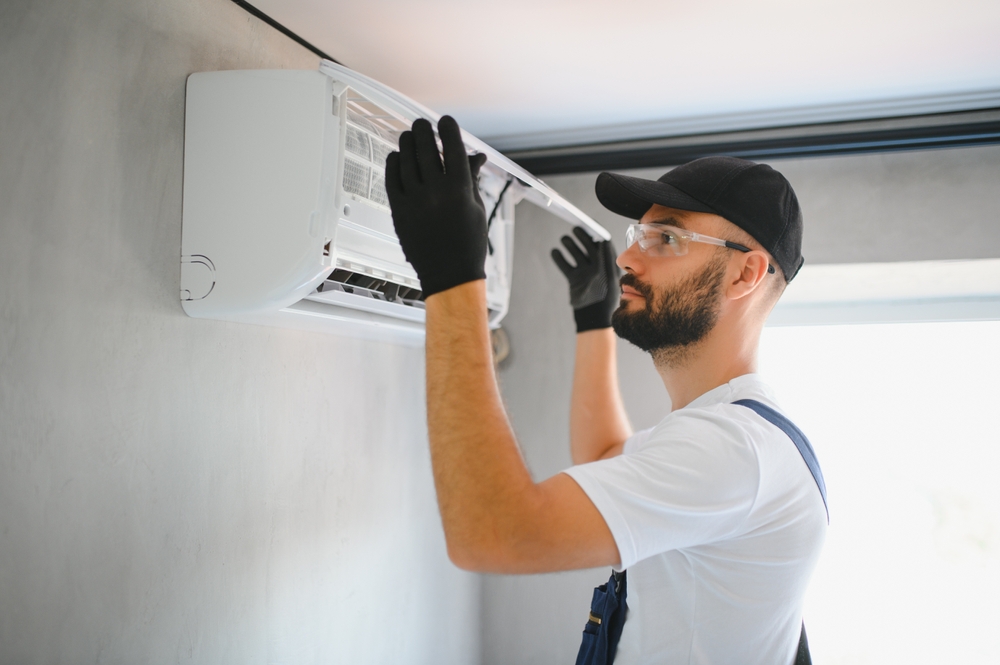
If you suspect a refrigerant leak, the repair process involves more than just refilling the system. A qualified HVAC technician will perform a leak detection test using specialized tools, including electronic leak detectors or UV dye, to pinpoint exactly where the refrigerant is escaping. This step is essential because fixing a leak in the wrong location would leave the real problem unresolved.
Once the leak is found, the technician will assess the severity and location to determine the best repair approach. Small leaks in accessible areas can often be repaired by sealing or replacing the affected section of tubing or fitting. Larger or more complex leaks, particularly those deep within the coil, may require coil replacement.
After the repair is made, the system will be evacuated to remove any air or moisture that entered the lines, and then recharged with the correct type and amount of refrigerant. It is worth noting that older systems using R-22 refrigerant (also known as Freon) face a special challenge: R-22 has been phased out under environmental regulations and is now expensive and difficult to obtain. If your older system uses R-22 and develops a major leak, your technician may recommend replacing the entire system with a newer, more efficient unit that uses modern refrigerants.
For homeowners looking for AC refrigerant leak repair in Staten Island, NY, it is important to hire a licensed HVAC contractor. In New York, technicians must hold EPA Section 608 certification to handle refrigerants legally. Working with a certified professional protects you, your system, and the environment.
Staying Ahead of Refrigerant Leaks With Preventive Maintenance
The best way to deal with refrigerant leaks in air conditioning systems is to catch them before they become serious problems. Annual HVAC maintenance is the single most effective step a homeowner can take. During a routine tune-up, a technician checks refrigerant pressure, inspects coils and connections, tests for leaks, and ensures the system is operating at peak efficiency.
For homeowners in Staten Island and the surrounding area, air conditioning repair and HVAC repair services are widely available, but not all providers are equally thorough. Look for a company that performs a full system inspection rather than just a quick refrigerant top-off. Ask whether leak detection is included in the service, and make sure the technician documents the refrigerant levels before and after any service visit.
Keeping the area around your outdoor unit clear of debris, avoiding harsh chemical cleaners near indoor air handlers, and scheduling service before the summer cooling season begins are all simple habits that can extend the life of your system and reduce the likelihood of leaks developing.
Conclusion
Refrigerant leaks in air conditioning systems are a serious issue, but they are manageable when caught early and handled by a qualified professional. Knowing the low refrigerant symptoms your AC might display, understanding how leaks develop, and investing in regular HVAC repair and maintenance can protect your comfort and your budget through even the hottest summer months. If you are in Staten Island, NY, and notice any of the warning signs discussed here, do not wait to schedule a service call. The sooner a leak is diagnosed and repaired, the better the outcome for your system and your home.
Need a HVAC Company & 24-Hour Plumber Near You?
At AFCO Heating & Air Conditioning, we take pride in being Staten Island’s trusted choice for 24-hour heating and cooling services for over 25 years. Whether you need fast repairs, expert installations, or a reliable upgrade for your heating or hot water system, our experienced and licensed technicians are here to help you every step of the way. We’re committed to providing top-notch residential and commercial HVAC solutions that keep your home or business comfortable year-round. Don’t wait until small issues turn into costly problems — call us today for a free estimate and experience the AFCO difference!